Companion planting
Broccoli Companion Plants (and What to Keep Apart)
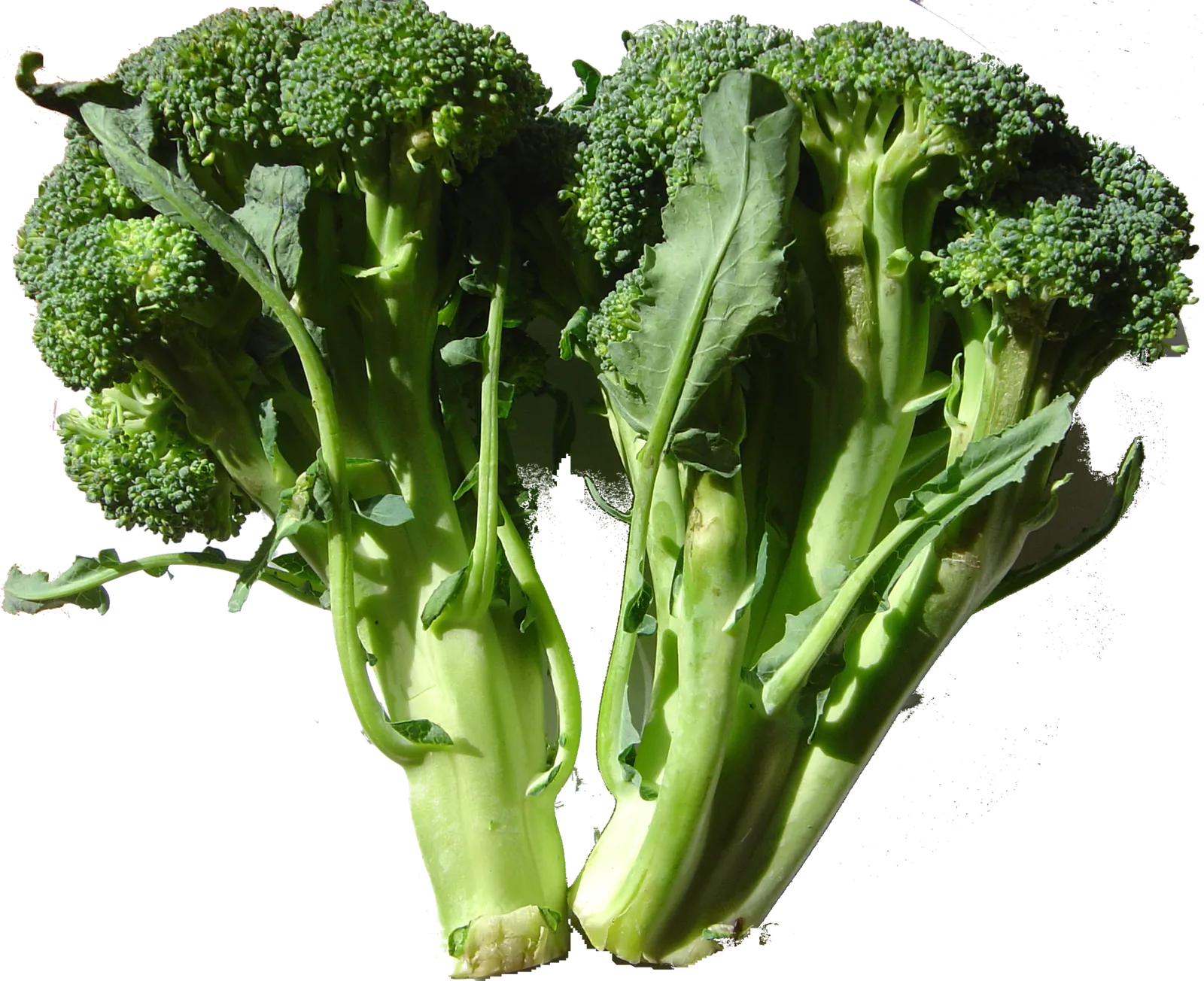
Good broccoli companions are aromatic herbs and flowers that pull in beneficial insects, alliums, and low crops like lettuce and beets that use the space. Keep broccoli away from tomatoes, strawberries, pole beans, and a tight cluster of other brassicas.
The short answer
Good broccoli companions are flowers and herbs (dill, alyssum, marigold) that pull in beneficial insects, onions and garlic, and low crops like lettuce and beets that use the space. Keep broccoli apart from tomatoes, strawberries, pole beans, and a tight cluster of other brassicas. The one research-backed win is plant diversity that cuts caterpillar numbers, not magic pest repulsion.
Broccoli is a heavy feeder with a steady set of pests, so the companion question is really two questions. What actually helps it, and what just sounds good on a chart? This guide splits the two, with US extension sources for each call.
The strongest evidence points one way: a diverse bed, not a single magic neighbor.
Plant these with broccoli
Lead with the plants that earn their space. A good broccoli companion does one of three things: it brings in helpful insects, it tucks into space the broccoli is not using, or it feeds the soil.
| Plant with broccoli | Why it works |
|---|---|
| Dill, alyssum, chamomile | Flowers feed beneficial wasps and predators. Utah State Extension found interplanting brassicas with unrelated plants raised wasp activity and lowered caterpillar larvae. |
| Marigold, nasturtium | Draw beneficial insects, and nasturtium can act as an aphid trap crop. Broccoli-specific proof is thin, but the beneficial-insect effect is documented. |
| Onions, garlic | Use little ground and root at a different depth, so they coexist without crowding. Often listed as cabbage-family companions. |
| Lettuce, spinach | Quick, shallow growers that fill the soil around young broccoli and get harvested before it gets large. |
| Beets, celery | Low, cool-season crops that share broccoli's conditions and use the space without competing for the canopy. |
Notice the pattern. The flowers and herbs are the real lever, because they support the insects that hunt broccoli's pests. The rest are mostly smart use of space.
Utah State University Extension notes that when brassicas are interplanted with unrelated plants, larval populations tend to be lower and beneficial wasp activity rises, since the diversity provides nectar and pollen those wasps need.
Keep these apart from broccoli
Now the avoid list, with an honest note on how solid each reason is. Some are real conflicts. Some are tradition.
| Keep apart | Why (and how solid the reason is) |
|---|---|
| Tomatoes | Extension-listed. West Virginia University Extension names tomatoes among plants not to grow near the cabbage family. The two also have different seasons and feeding patterns. |
| Strawberries | Extension-listed. WVU lists strawberries as a poor neighbor for the cabbage family. Plant them in their own spot. |
| Pole beans | Extension-listed. WVU specifically flags pole beans as a do-not-plant-near for the cabbage family. |
| Other brassicas, clustered | Well supported. Cabbage, cauliflower, and kale share broccoli's pests and heavy nitrogen demand. A dense brassica block feeds pests and competes with itself. Space them and rotate. |
| Aromatic herbs, as pest control | Mostly folklore. Strong scents are said to repel cabbage worms. There is little research that they reliably do. Plant the herbs for the flowers and bees, not as a pest shield. |
The brassica-clustering point is the one to take seriously. Utah State Extension notes that cabbage aphids overwinter and build up on brassica crops, which is why rotating the whole group and not packing it tight matters more than any single bad neighbor.
What actually works, and what is just lore
Here is the honest split for broccoli. A few mechanisms are documented. Most specific pairings are not.
Plant diversity cuts caterpillars. This is the best-supported one. Utah State Extension found that interplanting brassicas with unrelated plants lowered larval numbers and increased the wasps that parasitize them. A mixed bed beats a solid block of broccoli.
Flowers feed the predators. Dill, alyssum, and marigold bring in the bees and the beneficial wasps and beetles that eat aphids and worms. More flowers across the season means more of these helpers in the bed.
Smart spacing is just good bed design. Tucking lettuce, spinach, or beets around young broccoli grows two crops in one footprint and shades bare soil. That is real, and it costs nothing.
The scent-repellent and flavor claims are weak. There is little research that planting thyme or rosemary near broccoli repels cabbage worms, and none that a neighbor changes broccoli's flavor. Those are tradition, not tested results.
Illinois Extension is direct about this. Much of what shows up on companion charts has not been tested in a research study and comes from gardeners who grew two plants together and felt they helped. Even where herbs did reduce pests in trials, it took many companion plants to make a lasting difference.
Note
Most companion lore is untested, so do not bet the harvest on a chart. The proven wins for broccoli are narrow: mix the bed instead of planting a solid brassica block, add flowers for beneficial insects, and never crowd the same family together. For actual pest control, lean on row covers and hand-picking first. Everything past that is a low-risk experiment, not a guarantee.
A sample broccoli bed
Picture a 4x8 ft bed. Down the center, two rows of broccoli on 18-inch spacing, which gives the plants air and matches the how far apart to plant broccoli guide. Along one long edge, a ribbon of dill and sweet alyssum for the beneficial insects. Along the other edge, a row of onions.
In the gaps between the young broccoli plants, drop in lettuce and beets. They mature fast and come out before the broccoli fills its space. Keep tomatoes, strawberries, and pole beans in a different bed entirely, and do not add cabbage or cauliflower to this one, since a packed brassica bed is exactly what the pests want.
Broccoli is a heavy feeder
Companion planting will not rescue an underfed plant. University of Maryland Extension lists broccoli among the heavy feeders that need more nitrogen than the average vegetable. Feed the bed well and space the plants for airflow first, because good soil and spacing protect broccoli more than any neighbor can.
Common mistake
Two errors undo good intentions. Planting a solid block of brassicas packs broccoli, cabbage, and kale together, which concentrates their shared pests and drains the same nutrients. Utah State Extension links dense brassica plantings to aphid buildup. Spread the family out and rotate it yearly. The second is trusting scented herbs to repel cabbage worms. They will not do it on their own. Use floating row covers and hand-picking for real control, and let the herbs earn their place by flowering for the bees.
Your next step
Mix the bed, do not block it. Plant dill, alyssum, and a few onions with your broccoli, tuck lettuce and beets into the gaps, and keep tomatoes, strawberries, and pole beans well clear. That combination does the one thing the research actually supports: a diverse planting that brings in predators and cuts caterpillar numbers.
The biggest lever is still spacing and feeding. Set your plants with real room using the how far apart to plant broccoli guide, get the timing right with when to plant broccoli, and for the same evidence-versus-folklore breakdown on other crops, see cucumber companion plants and tomato companion plants.
Common questions
What should not be planted next to broccoli?
Keep broccoli away from tomatoes, strawberries, and pole beans, which West Virginia University Extension lists as poor neighbors for the cabbage family. Avoid packing broccoli tight against other brassicas like cabbage, cauliflower, and kale too. They share the same pests and the same heavy nutrient demand, so a dense brassica block feeds pests and competes with itself.
What are the best companion plants for broccoli?
The most useful broccoli companions are flowering plants and herbs like dill and alyssum that draw in beneficial insects, since Utah State Extension found interplanting brassicas with unrelated plants lowers caterpillar numbers. Onions and garlic use little space, and low crops like lettuce and beets fill the ground around the plants before broccoli gets large.
Do companion plants keep bugs off broccoli?
Some help, modestly. Utah State Extension found that interplanting brassicas with unrelated plants lowered cabbage-worm larvae and boosted beneficial wasps. But strong-scented herbs do not reliably repel cabbage worms on their own. For real control, extension sources point to floating row covers, hand-picking, and Bt, with companion flowers as support.
Can broccoli and cabbage be planted together?
They can grow side by side, but do not lean on it. Broccoli and cabbage are both brassicas, so they share pests like cabbage aphids and loopers and pull the same heavy nitrogen from the soil. Give each full spacing and rotate the whole group to a new spot each year so pests and diseases do not build up.
Is broccoli companion planting backed by science?
Some of it. Utah State Extension has data that interplanting brassicas with unrelated plants cuts caterpillar numbers, and flowers drawing beneficial insects is well documented. But Illinois Extension is blunt that most specific pairings on popular charts are anecdotal, not tested. Treat the charts as a starting point, not a rulebook.
Sources
Agronomic claims in this guide are checked against these primary sources.
- Cabbage Aphid — Utah State University Extension
- Companion Planting — West Virginia University Extension
- Companion Planting: Anecdotal or Tried and Tested? — University of Illinois Extension
- Fertilizing Vegetables — University of Maryland Extension
Keep reading
Cucumber Companion Plants (and What to Keep Apart)
Good cucumber companions are beans and peas for nitrogen and vertical layering, corn or sunflowers for support, and flowers like nasturtium and dill to draw pollinators. The honest win is anything that brings bees, since most cucumbers need them to set fruit.
Read →Tomato Companion Plants (and What to Keep Apart)
Good tomato companions include basil, marigold, nasturtium, garlic, onion, lettuce, and carrots. Keep tomatoes away from brassicas, fennel, potatoes, and black walnut. The proven wins are pollinator support and spacing, not magic flavor changes.
Read →When to Plant Broccoli (Spring and Fall Timing by Zone)
Set broccoli transplants out 2 to 4 weeks before your last spring frost, once soil reaches about 40 F. For a fall crop, plant 6 to 10 weeks before the first fall frost. Timing by zone, soil-temp cues, and the common mistakes.
Read →Zucchini Companion Plants (and What to Keep Apart)
Good zucchini companions are flowers like nasturtium and borage that pull in the bees zucchini needs to set fruit, plus beans and corn. Keep zucchini away from other squash and cucumbers, which share its pests. Most "avoid" charts are folklore.
Read →Spinach Companion Plants (and What to Keep Apart)
Good spinach companions are tall shade-givers like beans and corn, quick neighbors like radishes and lettuce, and flowers for pollinators. Keep spinach from chard and beets, which share leaf miners. Most pairing rules are folklore, so plant for shade, spacing, and pest sense.
Read →Pepper Companion Plants (and What to Keep Apart)
Good neighbors for peppers include basil, onions and garlic, carrots, lettuce and spinach, nasturtium, and tomatoes. Keep fennel and heavy-feeding brassicas apart. The reliable wins are spacing, pollinator support, and not crowding, not flavor magic.
Read →