Companion planting
Cabbage Companion Plants (and What to Keep Apart)
Good cabbage companions are low crops like lettuce and beets for ground space, flowering herbs that pull in pest-eating wasps, and trap crops. Keep cabbage away from tomatoes, pole beans, strawberries, and other brassicas.
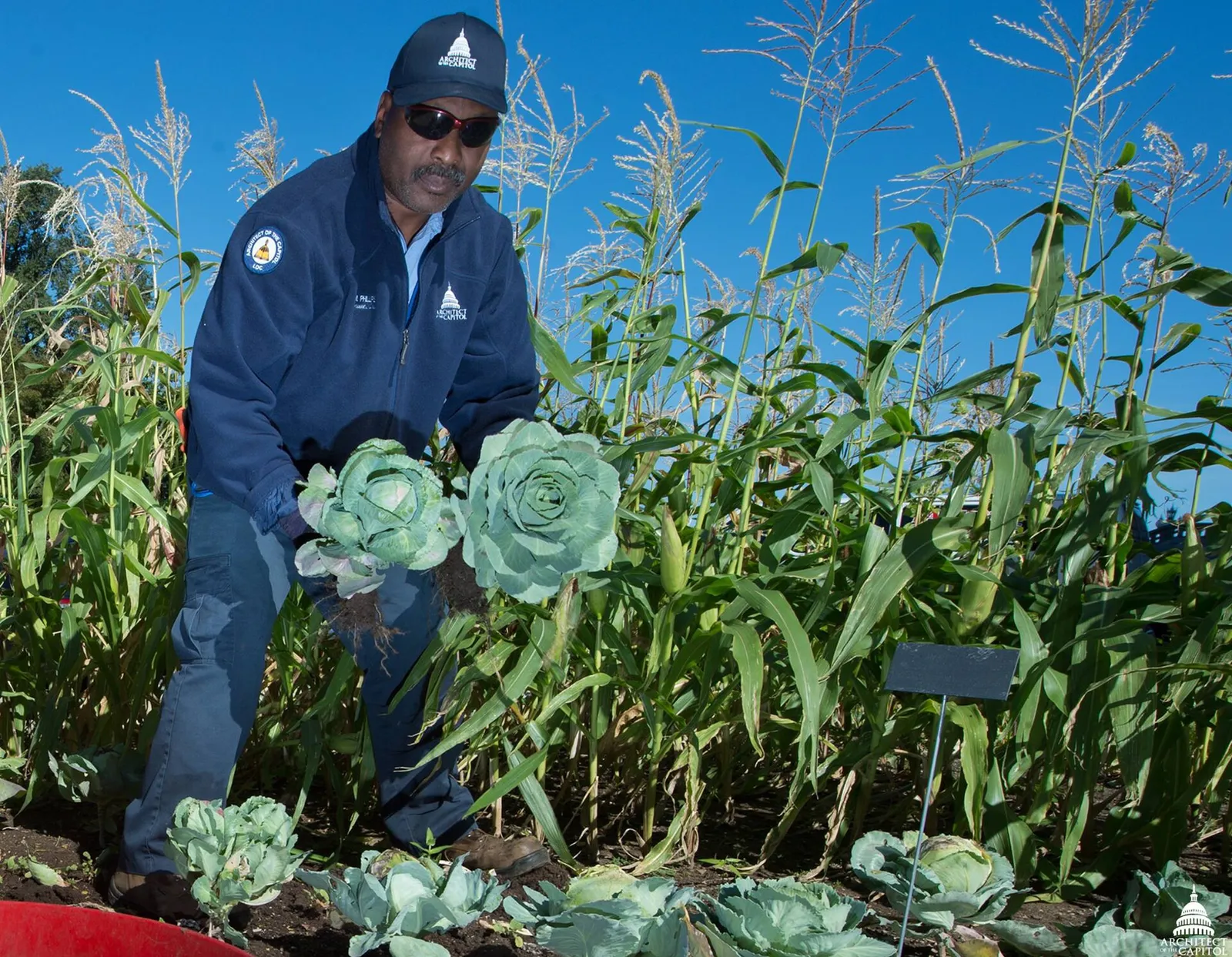
The short answer
Good cabbage companions are low, quick crops like lettuce, spinach, and beets that use the ground space between young plants, aromatic herbs like dill and chamomile, and trap crops that pull pests away. Keep cabbage apart from tomatoes, pole beans, strawberries, and other brassicas (broccoli, cauliflower). The honest wins here are spacing, crop rotation, and trap cropping, not magic pest-repelling herbs.
Cabbage companion charts are a mix of solid sense and old garden lore. This guide sorts the two, so you spend bed space on pairings that do real work.
The cabbage family has a pest problem more than a flavor problem. Cabbage loopers, imported cabbageworms, and aphids are the threat, so the companions that earn their keep are the ones that help with pests or use the space well.
Plant these with cabbage
Lead with the crops that pull their weight. A cabbage companion is worth the room only if it uses space the cabbage isn't using yet, feeds pollinators and pest-eaters, or draws pests onto itself.
| Plant with cabbage | Why it works |
|---|---|
| Lettuce, spinach | Quick, low growers that use the ground between young cabbage before the heads fill in. WVU Extension lists them as cabbage-family companions. |
| Beets, celery | Low or upright crops that fit the gaps without shading the cabbage. Both appear on extension companion lists for the cabbage family. |
| Dill, chamomile, other flowering herbs | WVU Extension names these as cabbage-family companions. Their small flowers feed the tiny wasps and other insects that prey on caterpillars and aphids. |
| Onions | Part of one extension-cited study (with marigold and nasturtium) that cut cabbage looper and cabbageworm numbers. They also use little ground space. |
| Nasturtium (as a trap crop) | Pulls aphids and some caterpillars onto itself and away from the cabbage. Trap cropping is a documented tactic, not folklore. |
Notice the pattern. The strong picks either fill space the cabbage isn't using or take the pest pressure onto something else. West Virginia University Extension lists dill, celery, chamomile, sage, peppermint, and rosemary among plants the cabbage family grows well with.
Keep these apart from cabbage
Now the avoid list, with an honest note on which cautions are solid and which are tradition. The first three are extension-backed. The herb caution is softer.
| Keep apart | Why (and how solid the reason is) |
|---|---|
| Tomatoes | Extension-backed. WVU Extension says do not plant the cabbage family with tomatoes. Both are heavy feeders, and pairing them fights the rotation cabbage needs. |
| Pole beans | Extension-backed. Also on WVU Extension's "do not plant with" list for the cabbage family. |
| Strawberries | Extension-backed. WVU Extension lists strawberries among the plants to keep away from the cabbage family. |
| Other brassicas (broccoli, cauliflower, kale) | Well supported. Same family, same pests and diseases. Iowa State Extension says grow cole crops in a spot only once every three to four years. |
The brassica rule is the one to take seriously. Iowa State Extension recommends rotating cole crops so the same family returns to a bed only once every three or four years, and University of Minnesota Extension gives the same four-year guidance. Planting cabbage, broccoli, and cauliflower elbow to elbow does the opposite of rotation, and it concentrates the very pests you are trying to avoid.
What actually works, and what is just lore
Here is the honest split. A few mechanisms behind cabbage companion planting are documented. Most specific herb pairings are not.
Trap crops work. A nasturtium that soaks up aphids keeps them off the cabbage. University of Connecticut IPM describes perimeter trap cropping for cole crops, planting an attractive species around the cabbage to draw pests away from it. This is a real, studied tactic.
Rotation and spacing work. Keeping cabbage away from last year's brassicas, and giving each plant room, does more for a cabbage crop than any companion herb. Both are extension guidance, not garden myth.
The pest-repelling herb claims are weaker. The idea that dill, sage, or mint repels cabbage pests is traditional and thinly tested. Mississippi State University Extension is blunt that many companion claims are credited with more protection than they reliably provide.
Note
One extension-cited result is worth stating exactly, because it is often overblown. Mississippi State University Extension notes a study where marigold, nasturtium, and onion together helped reduce cabbage looper and imported cabbageworm in cabbage. That is the three of them as a group, in one study, not a guarantee from a single marigold. Treat these as low-risk extras, not a pest shield.
A sample bed layout
Picture a standard 4x8 raised bed. Cabbage wants room, so plan around the cabbage first and fill the gaps with the quick, low crops.
Set cabbage on a roughly 18-inch spacing, about one plant per square foot, which fits two rows of cabbage down the bed. While those heads are small, the soil between them is open ground for weeks. That is where lettuce, spinach, and beets go, sown in the gaps and pulled before the cabbage spreads.
Edge the bed with dill or chamomile to feed the pest-eating wasps, and tuck a few nasturtiums at the corners as a trap crop. Keep the tomato and the pole beans in a different bed entirely.
Pro tip
The single best pest move is not a companion plant at all, it is rotation. Plant this year's cabbage where you grew a non-brassica last year, like beans or tomatoes (in their own bed, not next to the cabbage). Iowa State Extension says cole crops should hit the same spot only once every three to four years.
Common cabbage mistakes
Two errors sink more cabbage beds than any bad neighbor plant.
Common mistake
Crowding cabbage with other brassicas to save space. Cabbage, broccoli, and cauliflower share loopers, cabbageworms, aphids, and soil diseases. Packing them together feeds all of it. Give cabbage its own block and rotate the family out of that spot for three to four years.
Trusting a few herbs to repel pests, then skipping row cover. Aromatic herbs are pleasant companions, but the evidence that they repel cabbage pests is thin. If cabbageworms are a real problem, floating row cover and handpicking do far more than a border of mint.
Get the spacing right first
Companion planting only pays off if the cabbage has room to begin with. Crowded plants compete and trap humid air, which invites disease no matter how good the neighbors are.
Space cabbage about 18 inches apart, or one plant per square foot in a raised bed. Iowa State Extension gives a range of 18 to 24 inches in the row depending on the head size you want, tighter for smaller heads. The how far apart to plant cabbage guide has the full spacing table by method, and when to plant cabbage covers the timing for spring and fall crops.
For the same evidence-versus-folklore sort on other crops, tomato companion plants and cucumber companion plants cover those beds.
Your next step
Plant lettuce, spinach, and beets in the gaps, edge the bed with dill or chamomile, and set a few nasturtiums as trap crops. Keep cabbage away from tomatoes, pole beans, strawberries, and its own brassica cousins, and rotate the family each year.
The biggest win is the simplest one. Give every cabbage real room and rotate it, then read when to plant cabbage to time the crop right.
Common questions
What should not be planted next to cabbage?
West Virginia University Extension says to keep the cabbage family away from tomatoes, pole beans, and strawberries. Also avoid crowding cabbage next to other brassicas like broccoli and cauliflower, since they share the same pests and diseases and the cabbage family should only return to a spot once every three to four years.
What is a good companion plant for cabbage?
Low, quick crops like lettuce, spinach, and beets are the easiest picks. They use the ground space between young cabbage before the heads fill in. West Virginia University Extension also lists aromatic plants such as dill, celery, chamomile, and sage as cabbage-family companions, and trap crops can pull pests off the cabbage.
Do marigolds help cabbage?
Maybe, in a limited way. Mississippi State University Extension notes a study where marigold, nasturtium, and onion together helped reduce cabbage looper and imported cabbageworm in cabbage. That is narrower than the popular claim. A few marigolds dotted around the bed are not a proven pest shield, so treat them as a low-risk extra.
Can you plant cabbage and tomatoes together?
It is not recommended. West Virginia University Extension lists tomatoes among the plants to keep away from the cabbage family. Both are heavy feeders that compete for nutrients, and pairing them works against the crop rotation that keeps cabbage-family pests and diseases down. Give them separate spots in the garden.
Is cabbage companion planting backed by science?
Some of it. Trap crops are a documented tactic, UConn IPM describes perimeter trap cropping for cole crops to lure pests off the main crop. Crop rotation and good spacing are well supported too. Many specific pairings, like aromatic herbs repelling cabbage pests, are traditional and thinly tested. Treat the charts as a starting point, not a rulebook.
Sources
Agronomic claims in this guide are checked against these primary sources.
- Perimeter Trap Cropping for Cole Crops — University of Connecticut Integrated Pest Management
- Companion Planting: Myth or Truth? — Mississippi State University Extension
- Companion Planting — West Virginia University Extension
- Growing Cabbage in the Home Garden — Iowa State University Extension and Outreach
- Growing cabbage in home gardens — University of Minnesota Extension
Keep reading
Tomato Companion Plants (and What to Keep Apart)
Good tomato companions include basil, marigold, nasturtium, garlic, onion, lettuce, and carrots. Keep tomatoes away from brassicas, fennel, potatoes, and black walnut. The proven wins are pollinator support and spacing, not magic flavor changes.
Read →Cucumber Companion Plants (and What to Keep Apart)
Good cucumber companions are beans and peas for nitrogen and vertical layering, corn or sunflowers for support, and flowers like nasturtium and dill to draw pollinators. The honest win is anything that brings bees, since most cucumbers need them to set fruit.
Read →When to Plant Cabbage (Spring and Fall Timing)
Set cabbage transplants out 2 to 4 weeks before the last spring frost, once soil reaches about 45 F. For a fall crop, plant transplants 6 to 8 weeks before the first fall frost. Cabbage matures in 60 to 100 days.
Read →Zucchini Companion Plants (and What to Keep Apart)
Good zucchini companions are flowers like nasturtium and borage that pull in the bees zucchini needs to set fruit, plus beans and corn. Keep zucchini away from other squash and cucumbers, which share its pests. Most "avoid" charts are folklore.
Read →Spinach Companion Plants (and What to Keep Apart)
Good spinach companions are tall shade-givers like beans and corn, quick neighbors like radishes and lettuce, and flowers for pollinators. Keep spinach from chard and beets, which share leaf miners. Most pairing rules are folklore, so plant for shade, spacing, and pest sense.
Read →Pepper Companion Plants (and What to Keep Apart)
Good neighbors for peppers include basil, onions and garlic, carrots, lettuce and spinach, nasturtium, and tomatoes. Keep fennel and heavy-feeding brassicas apart. The reliable wins are spacing, pollinator support, and not crowding, not flavor magic.
Read →