Harvest guide
When to Plant Tomatoes (Frost + Soil Temp by Zone)
Set tomato transplants out 1 to 2 weeks after your last spring frost, once soil hits at least 60 F. Start seeds indoors 6 to 8 weeks before that frost date. Cold soil stalls them, so wait for warmth.
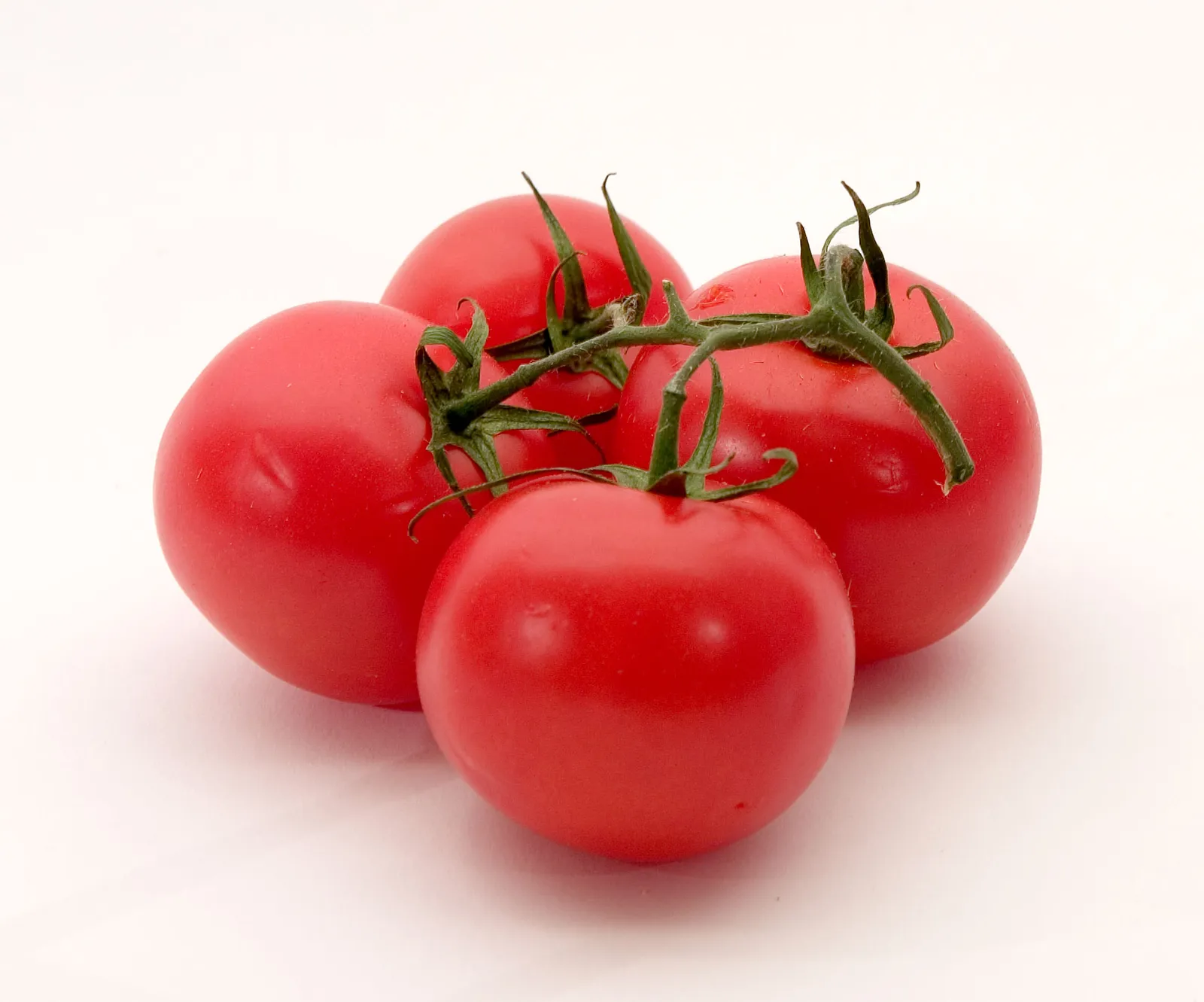
Days to maturity
60–85days
Ready when
Full color, slight give when gently squeezed
The short answer
Set tomato transplants outdoors 1 to 2 weeks after your last spring frost, once the soil has warmed to at least 60 F. Start seeds indoors 6 to 8 weeks before that frost date. Tomatoes are frost-sensitive and stall in cold soil, so do not rush them into the ground early.
Tomatoes have one hard rule: they hate cold. They are a warm-season crop, and a light frost kills them outright. Get the timing tied to your frost date and your soil temperature, not to a date on the calendar, and the rest of the season gets easier. This post covers when to plant by zone, how to read the soil, and the cold-soil mistake that costs people two weeks of growth.
When to plant tomatoes by climate and zone
The target is the same everywhere: wait until frost is done and the soil is warm. University of Minnesota Extension times transplants to 1 to 2 weeks after the average last spring frost, once soil hits at least 60 F. NC State Extension puts it plainly: tomatoes are injured by frost, so do not plant until all danger of frost is past.
Warmer zones reach that point sooner. The windows below are starting points keyed to your last frost, not fixed dates. Watch your own frost date and soil first.
| Region / zone | Typical transplant window | Cue |
|---|---|---|
| South (zones 8–10) | March – April | 1 to 2 weeks after last frost, soil at 60 F |
| Mid / temperate (zones 6–7) | Late April – May | Frost danger past, nights staying above 50 F |
| North / cold (zones 3–5) | Late May – early June | Soil 60 F or warmer, no frost in the forecast |
Your last-frost date is the anchor. If you do not know it, your local extension office or the USDA hardiness zone map will get you close. Count forward 1 to 2 weeks from that date for the earliest safe transplant.
Start seeds indoors 6 to 8 weeks before the last frost
Tomatoes take a head start indoors. NC State Extension says seedlings need about 5 to 7 weeks to be ready, so sow seeds 6 to 8 weeks before your last spring frost, then harden the seedlings off and transplant them after frost.
Count backward from your frost date. If your last frost is May 15, you start seeds between mid-March and the first week of April. Go much earlier and the seedlings outgrow their pots and get leggy before the weather lets you plant them.
Pro tip
Buy a soil thermometer for a few dollars and push it 4 inches into the bed in the morning, before the sun warms the surface. That morning reading is the honest one. When it holds at 60 F or above for a few days running, the soil is ready. Oregon State Extension targets 60 F or more, ideally 65 F, for transplanting tomatoes, and the warmer end gets them rooting faster.
How to tell it is time to plant
Three signals line up when tomatoes are ready to go out. Run down the list before you plant.
- Your last spring frost date has passed, plus a 1 to 2 week buffer.
- No frost shows in the 10-day forecast.
- Night temperatures are staying above 50 F.
- Soil at 4 inches deep reads at least 60 F in the morning.
- Daytime highs are reliably in the 60s F or warmer.
If a late cold snap threatens after you plant, cover the transplants with a bucket, row cover, or old sheet overnight. Below about 50 F, tomatoes stop growing, and a frost will kill an uncovered plant.
Spring vs fall planting
For most US gardeners, spring is the only planting. You set transplants out after the last frost and harvest through summer into the first fall frost.
The South gets a second shot. Clemson Extension notes that a fall tomato crop works in warm climates if you start early enough. Set fall transplants about 70 to 90 days before your first fall frost and pick an early-maturing variety so the fruit ripens before cold weather shuts the plant down. In cold northern zones the season is too short for a dependable fall crop, so put your energy into one well-timed spring planting instead.
Once they are in the ground, most tomato varieties mature in 60 to 85 days from transplant, so a plant set out in mid-May starts ripening in mid-July.
Common mistakes when planting tomatoes
The biggest one is planting too early into cold soil. A warm sunny week in April fools people into setting plants out, then a frost or a run of 45 F nights stalls or kills them.
Common mistake
Planting too early into cold soil. Tomatoes are frost-sensitive and chill below about 50 F, so a head start in cold ground backfires. NC State Extension says wait until all frost danger is past. A transplant set out on time, into 60 F soil, usually overtakes one rushed into the ground two weeks early and left to sulk in the cold. Patience beats a head start here.
Two more errors cost a crop. Skipping the hardening-off step shocks tender indoor seedlings. Move them outside gradually over 7 to 10 days before transplanting. And crowding the plants invites disease, since tomatoes need airflow. Most types want 18 to 24 inches between plants. Work out your spacing with the how far apart to plant tomatoes guide, and the plant spacing calculator counts how many fit your bed.
Your next step
Tie the planting to your frost date and your soil, not the calendar. Wait until 1 to 2 weeks past your last spring frost, check that the soil holds at 60 F in the morning, and only then set the transplants out. Start the seeds 6 to 8 weeks ahead so they are ready when the weather is.
Planning the bed? Open the plant spacing calculator and set tomatoes at 24 inches so each plant has the airflow it needs.
Common questions
What is the best month to plant tomatoes?
It depends on your last frost date, not the calendar. Set transplants out 1 to 2 weeks after the average last spring frost, once soil reaches 60 F. That is April in the South, May across most of the country, and late May to early June in cold northern zones.
How early can I start tomato seeds indoors?
Start tomato seeds indoors 6 to 8 weeks before your last spring frost, per NC State Extension. Earlier than that and the seedlings get leggy and root-bound before it is warm enough to plant them out. Count back from your frost date.
What soil temperature do tomatoes need to be planted?
Oregon State Extension says soil should be 60 F or more for tomatoes, ideally 65 F. University of Minnesota Extension uses at least 60 F. Check it with a soil thermometer pushed 4 inches deep in the morning. Below 60 F the plants sit and sulk instead of rooting.
Can I plant tomatoes in cold soil to get an early start?
No. Tomatoes are warm-season and frost-sensitive, so cold soil and nights in the 40s F stall growth and risk injury. NC State Extension says do not plant until all danger of frost is past. A plant set out two weeks late often catches up to one chilled early.
Can I grow a second crop of tomatoes in fall?
In the South, yes. Set fall transplants about 70 to 90 days before your first fall frost so the fruit ripens before cold weather, using an early-maturing variety. In cold northern zones the season is too short for a reliable second crop.
Sources
Agronomic claims in this guide are checked against these primary sources.
- Growing tomatoes in home gardens — University of Minnesota Extension
- Tomatoes — NC State Extension
- Tomato — Clemson Cooperative Extension (HGIC)
- Let soil temperature guide you when planting vegetables — Oregon State University Extension
Keep reading
When to Harvest Tomatoes (Signs They're Ready)
Tomatoes are ready about 60 to 85 days after transplant, when they are fully colored and give slightly to a gentle squeeze. Here are the cues, the twist-or-cut method, and how to ripen the rest on the counter.
Read →Tomato Companion Plants (and What to Keep Apart)
Good tomato companions include basil, marigold, nasturtium, garlic, onion, lettuce, and carrots. Keep tomatoes away from brassicas, fennel, potatoes, and black walnut. The proven wins are pollinator support and spacing, not magic flavor changes.
Read →When to Plant Garlic (Fall Timing by Zone)
Plant garlic in fall, about 3 to 6 weeks before the ground freezes, so roots set before winter. That lands mid-September to November across most US zones. Plant cloves 2 inches deep, pointy end up, 4 to 6 inches apart.
Read →When to Plant Zucchini (Frost + Soil Temp Timing)
Plant zucchini after your last spring frost, once the soil hits at least 60 F (ideally 65 to 70 F). Direct-sow seeds 1/2 to 1 inch deep, or set out transplants started 2 to 4 weeks earlier. Warm zones get a second fall crop.
Read →When to Plant Swiss Chard (Spring and Fall Timing)
Plant swiss chard 2 to 4 weeks before your last spring frost, once the soil hits 40°F. Sow again 3 to 4 weeks before the first fall frost. Seeds go half an inch to an inch deep.
Read →When to Plant Sweet Potatoes (Soil Temp + Frost Timing)
Plant sweet potato slips 2 to 4 weeks after your last spring frost, once soil holds above 65°F. Get timing by zone, the soil-temp gate, and the mistake that rots slips in cold ground.
Read →