Complete guide
Raised Bed Soil: The Complete Guide (Mix, Depth, Cost)
Everything that goes in a raised bed, in one place: the fill formula, the 60/30/10 mix, how deep to build, a cheaper bottom layer, and bulk-vs-bagged cost.
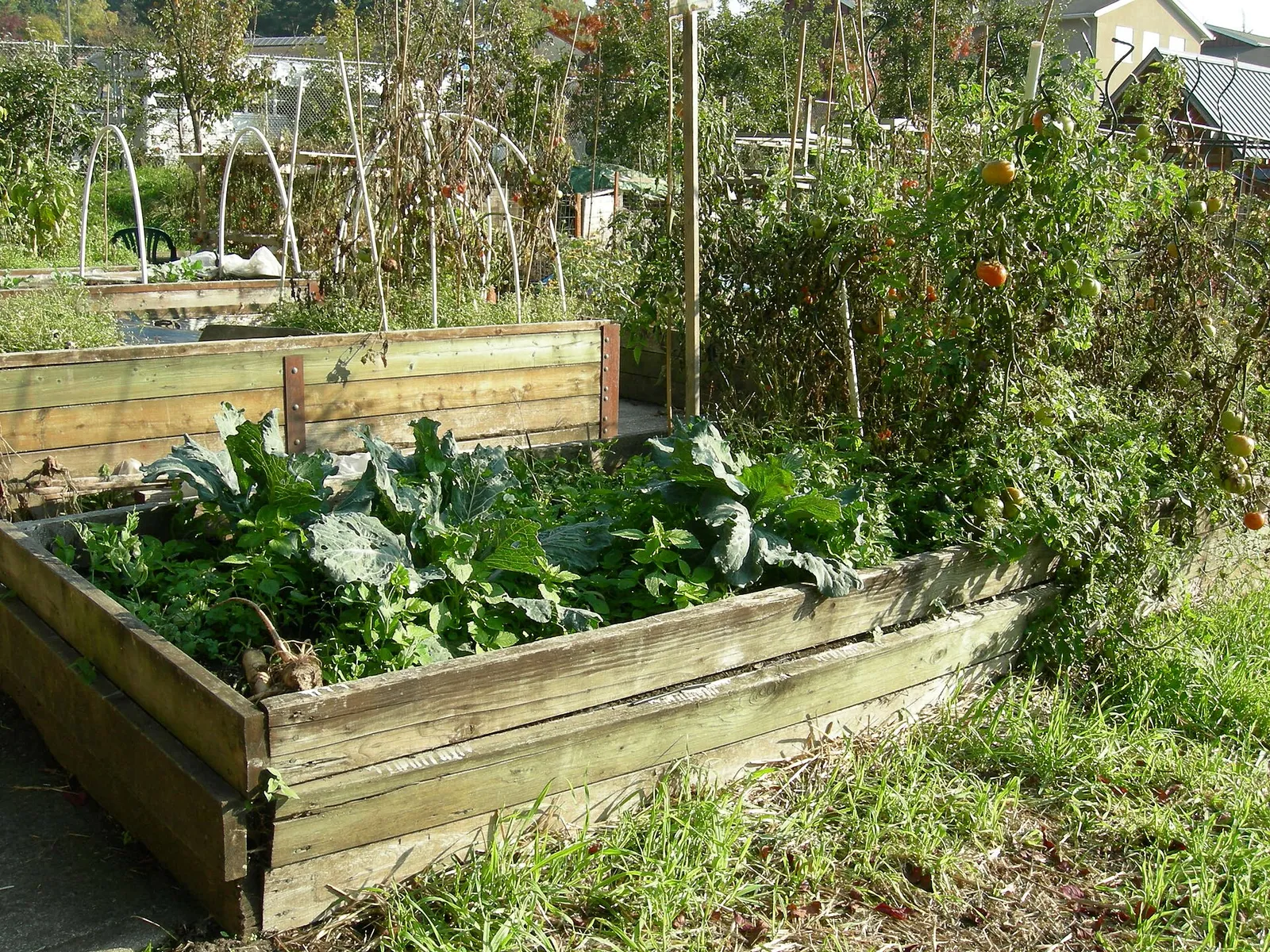
The short answer
A good raised-bed fill is 60 percent topsoil, 30 percent compost, and 10 percent aeration, built 10 to 12 inches deep. To size it, multiply length x width x depth in feet and divide by 27 for cubic yards. A 4x8 bed at 10 inches needs about 26.7 cubic feet, or roughly 1 cubic yard.
Try it — Raised Bed Soil Calculator
Full calculatorA balanced, beginner-friendly mix. Good default for most vegetable beds.
Total soil needed
0.99cu yd
26.7 cu ft · buy ~29.3 cu ft to allow for settling
| Component | Volume | Bags |
|---|---|---|
| Topsoil | 16 cu ft | 11 × 1.5 cu ft |
| Compost | 8 cu ft | 8 × 1 cu ft |
| Aeration (perlite or vermiculite) | 2.7 cu ft | 2 × 2 cu ft |
Filling a raised bed comes down to four decisions: how much, what mix, how deep, and how cheaply. This guide walks all four, in order, and points you to the calculator and the focused how-much guides for each one.
Get these right once and you order soil a single time. Guess, and you are back at the garden center mid-project with a half-empty bed.
How much soil a raised bed needs
A raised bed is a box, so the volume is plain geometry. Multiply length times width times depth, then convert.
The only trick is units. Length and width come in feet, but you set depth in inches. Convert the depth to feet first by dividing by 12.
cubic feet  = length_ft x width_ft x (depth_in / 12)
cubic yards = cubic feet / 27
Why both numbers? Bagged soil is sold by the cubic foot, bulk soil by the cubic yard. A cubic yard is a block 3 feet on every side, which holds 27 cubic feet. That 27 is the whole conversion.
Run the standard bed. A 4x8 footprint is 32 square feet. At 10 inches that is 32 x (10 / 12), which lands at 26.67 cubic feet, or 0.99 cubic yards. Call it a cubic yard.
Here is the same math across the common bed sizes and heights, so you can read your number straight off.
| Bed size | 6 in | 8 in | 10 in | 12 in |
|---|---|---|---|---|
| 2x4 (8 sq ft) | 4.0 cu ft | 5.3 cu ft | 6.7 cu ft | 8.0 cu ft |
| 3x6 (18 sq ft) | 9.0 cu ft | 12.0 cu ft | 15.0 cu ft | 18.0 cu ft |
| 4x4 (16 sq ft) | 8.0 cu ft | 10.7 cu ft | 13.3 cu ft | 16.0 cu ft |
| 4x8 (32 sq ft) | 16.0 cu ft | 21.3 cu ft | 26.7 cu ft | 32.0 cu ft |
| 4x10 (40 sq ft) | 20.0 cu ft | 26.7 cu ft | 33.3 cu ft | 40.0 cu ft |
To turn any of these into cubic yards, divide by 27. The 4x8 at 12 inches, for example, is 32 cubic feet, or about 1.19 cubic yards. These are all multiplications you can check by hand.
For the full worked example with a per-component bag list, see how much soil for a raised bed. For your exact size and depth, the Raised-Bed Soil Calculator does the splitting for you.
The best fill mix for a raised bed
Answer first: a balanced starting mix is 60 percent topsoil, 30 percent compost, and 10 percent aeration. Each ingredient does one job.
- Topsoil (60%) is the body of the bed. It holds water and nutrients and gives roots something to grip. It is also the cheap part, which keeps the whole bed affordable.
- Compost (30%) is the food. It feeds plants, builds soil life, and improves structure over time. This is the ingredient you replenish each year.
- Aeration (10%), usually perlite or vermiculite, keeps the mix from packing down so air and water can move. Without it, a heavy bed turns to brick.
The University of Minnesota Extension lands in the same zone, recommending a raised-bed mix of roughly one-half to two-thirds topsoil and one-third to one-half compost. The 60/30/10 split sits right inside that range and adds the aeration most native topsoils need.
The other recipe you will see is Mel's Mix from square-foot gardening: equal thirds of compost, peat moss or coco coir, and coarse vermiculite. The Square Foot Gardening Foundation describes it as three ingredients in equal parts. It drains fast and suits intensive planting. It also costs more, because it uses no native topsoil.
| Mix | Topsoil | Compost | Other |
|---|---|---|---|
| Default blend (60/30/10) | 60% | 30% | 10% aeration |
| Mel's Mix (thirds) | none | 33% | 33% peat/coir + 33% vermiculite |
Both lean on compost for a reason. To size that part on its own, the how much compost do I need guide walks the number, and the Compost Calculator gives a bag count. To price the topsoil alone, see how much topsoil do I need.
How deep should a raised bed be?
Aim for 10 to 12 inches for a mixed vegetable garden. That depth clears the floor for shallow crops and still feeds most deep ones.
Depth depends on what you grow. The University of Maryland Extension gives a clear split for beds where roots cannot reach the ground below.
| Crop type | Examples | Minimum depth |
|---|---|---|
| Shallow-rooted | Leafy greens, beans, cucumbers | at least 8 inches |
| Deep-rooted | Tomatoes, peppers, squash | 12 to 24 inches |
So a 6-inch bed is fine for a salad garden but tight for tomatoes. A 12-inch bed handles almost anything.
One caveat from the same guide: depth matters most when the bed sits on a hard surface like concrete or compacted hardpan. If the bed sits on open soil, roots can push below the frame, so the wood height is less of a hard ceiling. Spacing matters as much as depth once plants are in, so check the plant spacing chart before you sow.
Can you fill the bottom cheaper?
Yes. Spend on the top foot and save on the bottom. Only the top 10 to 12 inches is the active root zone, so a deep bed does not need premium mix all the way down.
Pack the bottom 6 to 12 inches with cheaper coarse fill. Branches, logs, and woody debris are the hügelkultur approach. Clean fill dirt or screened topsoil also works down low, where you are buying volume, not nutrition.
Note
The catch is settling. Coarse organic fill breaks down and compresses over the first year or two, so the soil level drops and you will need to top it up. Treat a cheap bottom layer as a real saving with a known trade-off, not a free shortcut.
If you would rather pay for screened topsoil than scavenge wood for the lower layer, the Soil Calculator and the how much garden soil do I need guide size that fill.
Soil settles, so order about 10 percent extra
Fresh mix drops after the first few waterings. Air pockets close, organic matter compresses, and the bed you filled to the rim sits an inch low a week later.
Pro tip
Add about 10 percent to whatever the volume math gives you. For the 4x8 bed at 10 inches, that turns 26.7 cubic feet into about 29.3 cubic feet ordered. A little leftover soil is a far smaller problem than a second trip and a half-filled bed. Some gardeners go to 15 percent on tall beds.
Two mistakes that wreck a new bed
Common mistake
Do not fill with pure topsoil or pure compost. Pure topsoil packs hard and starves the bed of organic matter. Pure compost holds too much water, settles dramatically, and can carry excess salts and phosphorus that throw off the nutrient balance. The University of Minnesota Extension warns against using compost as the whole fill for exactly this reason. Blend them: roughly 60/30/10, not 100 percent of either.
Do not build a bottomless bed on hardpan or concrete without enough depth. If roots cannot reach the ground below, the frame height is the only soil the plant gets. On a hard surface, give deep crops the full 12 to 24 inches they need.
Cost: bulk vs bagged, and where the line is
Bagged soil is the simple choice for one small bed. It is clean to handle, you buy the exact bag count the calculator gives you, and there is no delivery minimum.
Bulk wins once the volume climbs past about 1 cubic yard, which is 27 cubic feet. That is right where a single 4x8 bed at 10 inches sits, so one bed is the crossover and two or more beds almost always favor bulk per cubic foot.
| Project | Volume | Usually cheaper |
|---|---|---|
| One 2x4 or 4x4 bed | under 1 cu yd | Bagged |
| One 4x8 bed at 10 in | about 1 cu yd | Either, it is the line |
| Two or more beds | over 1 cu yd | Bulk delivery |
The catch with bagged products is that weight is not volume. A 40 lb bag runs roughly 0.5 to 1.5 cubic feet depending on the product and moisture, so size your order by cubic feet, not by bag weight.
Put it together
A good raised bed is a 60/30/10 mix, built 10 to 12 inches deep, ordered with 10 percent extra for settling. Size it with length times width times depth in feet, divided by 27 for cubic yards. Fill the bottom of a deep bed cheap, and buy bulk once you pass a yard.
Got your bed dimensions? Open the Raised-Bed Soil Calculator for your exact mix and bag list.
Common questions
What is the best soil mix for a raised bed?
A balanced starting mix is 60 percent topsoil, 30 percent compost, and 10 percent aeration like perlite or vermiculite. Topsoil gives body, compost feeds the plants, and aeration keeps the mix from packing down. Square-foot gardeners often use Mel's Mix instead, which is equal thirds of compost, peat or coir, and coarse vermiculite.
How much soil do I need for a raised bed?
Multiply length times width times depth, all in feet, then divide by 27 for cubic yards. A 4x8 bed filled 10 inches deep needs about 26.7 cubic feet, or roughly 1 cubic yard. Add 10 percent for settling.
How deep should a raised bed be?
Aim for 10 to 12 inches for a mixed vegetable garden. Leafy greens, beans, and cucumbers do fine in at least 8 inches, while tomatoes, peppers, and squash want 12 to 24 inches, per University of Maryland Extension. Deeper is only required when the bed sits on concrete or hardpan.
What is the cheapest way to fill a raised bed?
Fill the bottom 6 to 12 inches of a deep bed with cheap coarse fill like branches, logs, or clean fill dirt, and save the purchased mix for the top 10 to 12 inches where roots grow. Coarse fill settles over time, so plan to top it up.
Is it cheaper to buy raised bed soil in bulk or in bags?
Once a project needs more than about 1 cubic yard, bulk delivery usually beats bagged per cubic foot. A single 4x8 bed at 10 inches sits right at that line. Two or more beds almost always tip toward bulk.
Sources
Agronomic claims in this guide are checked against these primary sources.
- Growing Vegetables in Raised Beds — University of Maryland Extension
- Raised bed gardens — University of Minnesota Extension
- The Magic of Mel's Mix Soil — Square Foot Gardening Foundation
Keep reading
How Much Soil for a Raised Bed?
Length times width times height in feet, divided by 27, gives cubic yards. A 4x8 bed at 10 inches needs about 1 cubic yard. Formula, bag list, and a calculator.
Read →How Much Compost Do I Need?
Multiply square feet by depth in inches, divide by 324 for cubic yards of compost. Formula, worked examples, and a bagged-vs-bulk guide.
Read →How Much Garden Soil Do I Need? (Formula + Chart)
Multiply square feet by depth in inches, divide by 324 for cubic yards. Plus a coverage chart, bag counts, and when garden soil beats topsoil or raised-bed mix.
Read →How Much Topsoil Do I Need? (Tons, Yards + Calculator)
Topsoil is sold by the ton. Multiply your square feet by depth in inches, divide by 324 for cubic yards, then plan for about 1.2 tons per yard.
Read →Plant Spacing Chart: In-Row Inches + Square-Foot Counts
One vegetable spacing chart with both in-row inches and square-foot-gardening counts per crop, plus a calculator that shows how many plants actually fit.
Read →What Soil Mix for Raised Beds?
The best raised bed soil mix is 60 percent topsoil, 30 percent compost, and 10 percent aeration. Here is why each part matters, plus the per-bag amounts for a 4x8 bed.
Read →