Companion planting
Bean Companion Plants (and What to Keep Apart)
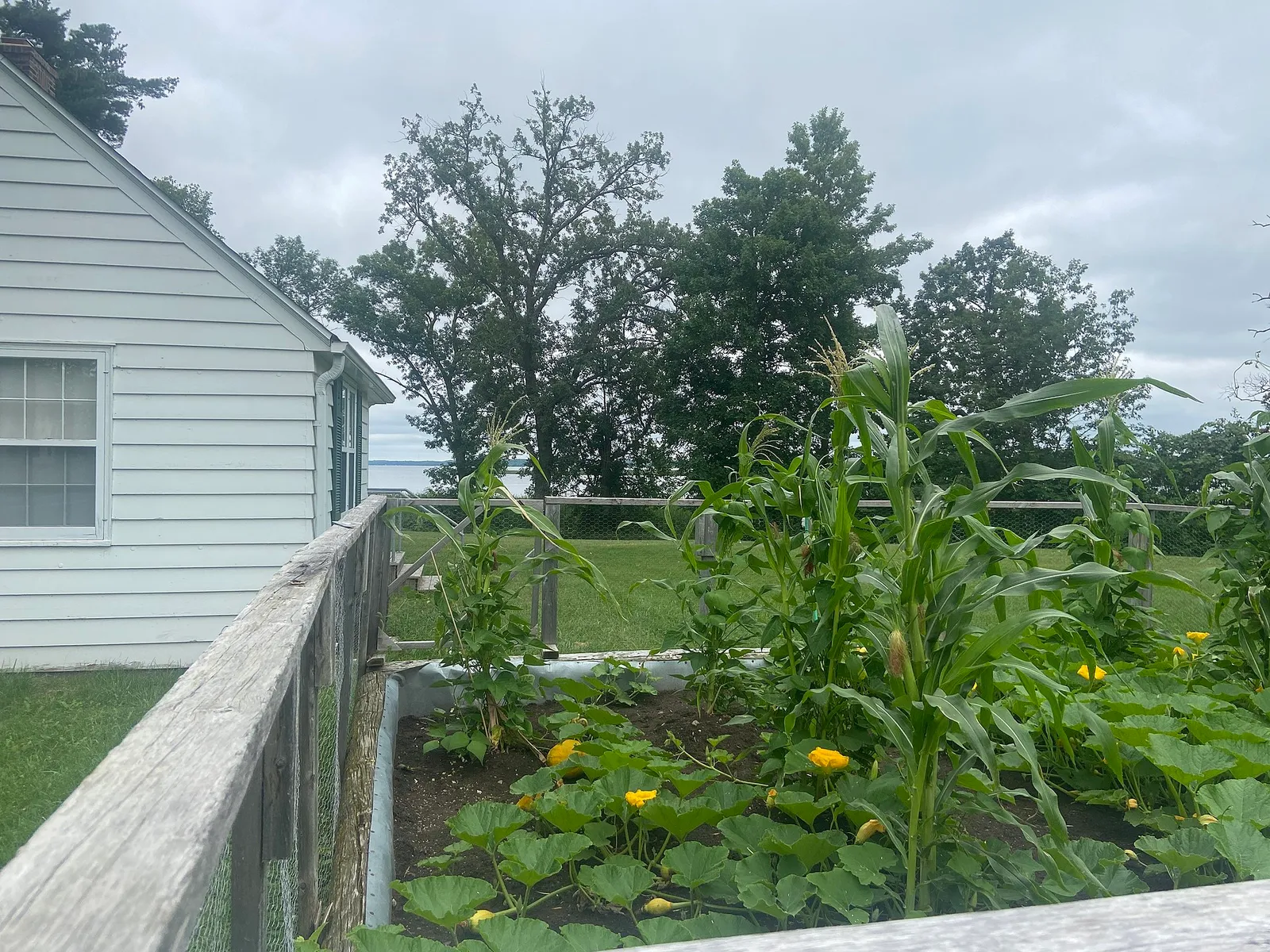
Good bean companions are corn and squash (the Three Sisters), plus flowers like nasturtium and marigold that draw pollinators and beneficial insects. Keep beans clear of fennel. The famous "no onions near beans" rule is mostly folklore, not proven.
The short answer
Good bean companions: corn and squash (the Three Sisters), nasturtium, marigold, and other flowers that pull in pollinators and beneficial insects, and quick growers like lettuce and radish. Keep beans apart from fennel, which can stunt nearby plants. The "no onions near beans" rule is mostly folklore. The proven wins are nitrogen, support, and pollinators, not magic.
Bean companion charts are full of confident rules, and a lot of them are one gardener's hunch passed down as fact. This guide splits the proven from the folklore, so you plant for reasons that actually hold up.
Beans bring one real gift to the bed: they feed the soil. That single mechanism shapes most of the good pairings.
Plant these with beans
Lead with the partners that pull their weight. A companion earns its space only if it climbs without crowding, draws in helpful insects, or uses ground the beans are not using yet.
| Plant with beans | Why it works |
|---|---|
| Corn | Tall stalks give pole beans a living trellis. The Three Sisters idea, and corn is a heavy nitrogen feeder that beans help offset |
| Squash, pumpkin | Big leaves sprawl across the soil, shading out weeds and keeping the ground cool, the third Sister |
| Nasturtium | Acts as a trap crop, pulling aphids onto itself, and its flowers feed pollinators and beneficial insects |
| Marigold (French) | Bright flowers draw in beneficial insects and bees, a documented benefit even if the pest-repellent claims are oversold |
| Lettuce, radish | Quick, low growers that use ground space early, before the bean canopy fills in |
University of Florida IFAS Extension describes the Three Sisters plainly: the corn supports the climbing beans, the beans add nitrogen to the soil, and the squash leaves suppress weeds. Each plant fills a different role and layer, which is why this old polyculture genuinely works.
Keep these apart from beans
Now the avoid list, with an honest note on which warnings hold up and which are just tradition.
| Keep apart | Why (and how solid the reason is) |
|---|---|
| Fennel | Well supported. Fennel releases compounds that inhibit many nearby vegetables, including beans. This is the clearest avoid on the list |
| Onions, garlic, chives | Mostly folklore. The old rule says alliums stunt beans, but no extension source documents a real mechanism. Plant them apart if you like, but it is not a hard rule |
| Sunflower | Competition, not poison. Tall sunflowers shade and crowd beans and drink a lot of water. The caution is about space, not a bean-specific toxin |
| Anything, if crowded | Well supported. The firmest rule is spacing. Crowded plants trap humid air and invite disease, no matter the neighbor |
The allium warning is the one to take with a grain of salt. The bean-and-onion feud shows up on nearly every companion chart, but it traces back to tradition, not to any documented allelopathy in university extension research. If you have a tidy spot for onions next to beans, use it.
What actually works, and what is just lore
Here is the honest split. A few mechanisms behind bean companion planting are documented. Most specific pairings are not.
Nitrogen fixation is real. Beans host Rhizobium bacteria in small nodules on their roots, and those bacteria pull nitrogen out of the air and turn it into a form plants can use. West Virginia University Extension confirms this legume partnership. The catch is that most of that nitrogen stays inside the bean plant. Neighbors benefit most when you cut the beans at the soil line and leave the roots to break down.
Support works. A pole bean climbing a cornstalk is using vertical space instead of fighting for it. That is good bed design, and it is the backbone of the Three Sisters.
Pollinators and predators work. Flowers like nasturtium and marigold feed bees and the predatory insects that eat aphids. More flowers across the season means more of these helpers in the bed.
The famous repellent and allium claims are weaker. There is no solid evidence that a few marigolds clear all pests, or that onions poison beans. Those are tradition. Utah State University Extension discusses companion planting without backing the bean-allium feud at all.
Note
Much companion lore is untested. Do not bet your harvest on a chart. The safe, proven wins are simple: give every plant full spacing, plant flowers for pollinators and predators, and use legumes like beans to feed the soil. Everything past that is a low-risk experiment, not a guarantee.
A sample Three Sisters layout
The cleanest way to use beans as companions is the Three Sisters, and it fits a raised bed or an open patch alike.
Start with a low mound about 18 inches across. Plant four or five corn seeds in the center and let them grow 6 inches tall first, so they can take the weight. Then sow four pole bean seeds around the corn, and three or four squash seeds at the edge of the mound. The corn becomes the trellis, the beans feed the soil, and the squash runs out across the ground as living mulch.
Bush beans skip the climbing step, so they pair better with low flowers and quick greens than with corn. If you are growing bush types, edge the bed with nasturtium and tuck lettuce between the rows.
A common bean mistake
Two errors undo more bean beds than any bad neighbor plant.
Common mistake
Crowding the plants in the name of companionship. Packing beans tight with partners feels efficient, but it traps humid air, keeps leaves wet, and invites disease. A companion that costs you airflow is a net loss.
Trusting the chart over the spacing. A well-spaced bean resists problems better than any companion can rescue it from crowding. Get the spacing right first, then add companions.
Get the spacing right
Companion planting only pays off if the beans have room to begin with. Crowded plants invite trouble no matter how good the neighbors are.
Bush beans want a few inches between plants, while pole beans need room to climb. The guide to how far apart to plant bush beans has the exact numbers, and if you are still timing the planting, when to plant bush beans covers that.
For more on sorting evidence from folklore in other crops, cucumber companion plants covers the same question for cucumbers, and tomato companion plants does it for tomatoes.
Your next step
Plant corn and squash with pole beans for the Three Sisters, or edge a bush-bean bed with nasturtium and marigold for pollinators. Keep fennel away, do not crowd the plants, and treat the onion rule as optional.
The single biggest win is spacing, so start there. Read how far apart to plant bush beans and lay out your bed with real room before you add a single companion.
Common questions
What should you not plant near beans?
The one plant to keep well apart is fennel, which releases compounds that can stunt many nearby vegetables. The popular "never plant onions or garlic near beans" rule is mostly tradition, not proven by research, so treat it as optional. The firmer rule is to avoid crowding beans, since packed plants trap moisture and invite disease.
What grows well with beans?
Corn and squash are the classic partners in the Three Sisters planting: pole beans climb the corn, the beans add nitrogen to the soil, and squash leaves shade out weeds. Flowers like nasturtium and marigold also help by drawing in pollinators and beneficial insects. Quick growers like lettuce use the space early.
Can you plant beans and onions together?
You can. The old rule says alliums like onions and garlic stunt beans, but that claim is companion-planting folklore with no documented mechanism behind it in university extension sources. If you want to keep them apart out of caution, that is fine, but it is not a hard rule. Just do not crowd either crop.
Do beans really add nitrogen to the soil?
Yes. Beans host Rhizobium bacteria in nodules on their roots, and those bacteria pull nitrogen from the air and convert it into a form plants can use. West Virginia University Extension confirms this legume partnership. The benefit is real but modest, and most of the nitrogen stays in the plant unless you leave the roots in the soil.
Is companion planting actually backed by science?
Some of it. Pollinator support, trap crops, nitrogen fixation, and smart use of space are documented. Many specific pairings are not. University of Minnesota Extension notes much companion-planting advice rests on little research or anecdote. Treat charts as a starting point, not a guarantee.
Sources
Agronomic claims in this guide are checked against these primary sources.
- Companion planting in home gardens — University of Minnesota Extension
- Companion Planting: Anecdotal or Tried and Tested? — University of Illinois Extension
- Legumes: Nitrogen Fixation — West Virginia University Extension
- Three Sisters Garden — University of Florida IFAS Extension
- Companion Planting — Utah State University Extension
Keep reading
Cucumber Companion Plants (and What to Keep Apart)
Good cucumber companions are beans and peas for nitrogen and vertical layering, corn or sunflowers for support, and flowers like nasturtium and dill to draw pollinators. The honest win is anything that brings bees, since most cucumbers need them to set fruit.
Read →Tomato Companion Plants (and What to Keep Apart)
Good tomato companions include basil, marigold, nasturtium, garlic, onion, lettuce, and carrots. Keep tomatoes away from brassicas, fennel, potatoes, and black walnut. The proven wins are pollinator support and spacing, not magic flavor changes.
Read →When to Plant Bush Beans (Soil Temp + Frost Timing)
Plant bush beans after your last spring frost, once the soil hits 60°F. Sow seed 1 inch deep, 2 to 4 inches apart. For a fall crop, sow 6 to 8 weeks before the first fall frost.
Read →Zucchini Companion Plants (and What to Keep Apart)
Good zucchini companions are flowers like nasturtium and borage that pull in the bees zucchini needs to set fruit, plus beans and corn. Keep zucchini away from other squash and cucumbers, which share its pests. Most "avoid" charts are folklore.
Read →Spinach Companion Plants (and What to Keep Apart)
Good spinach companions are tall shade-givers like beans and corn, quick neighbors like radishes and lettuce, and flowers for pollinators. Keep spinach from chard and beets, which share leaf miners. Most pairing rules are folklore, so plant for shade, spacing, and pest sense.
Read →Pepper Companion Plants (and What to Keep Apart)
Good neighbors for peppers include basil, onions and garlic, carrots, lettuce and spinach, nasturtium, and tomatoes. Keep fennel and heavy-feeding brassicas apart. The reliable wins are spacing, pollinator support, and not crowding, not flavor magic.
Read →