Harvest guide
When to Plant Bush Beans (Soil Temp + Frost Timing)
Plant bush beans after your last spring frost, once the soil hits 60°F. Sow seed 1 inch deep, 2 to 4 inches apart. For a fall crop, sow 6 to 8 weeks before the first fall frost.
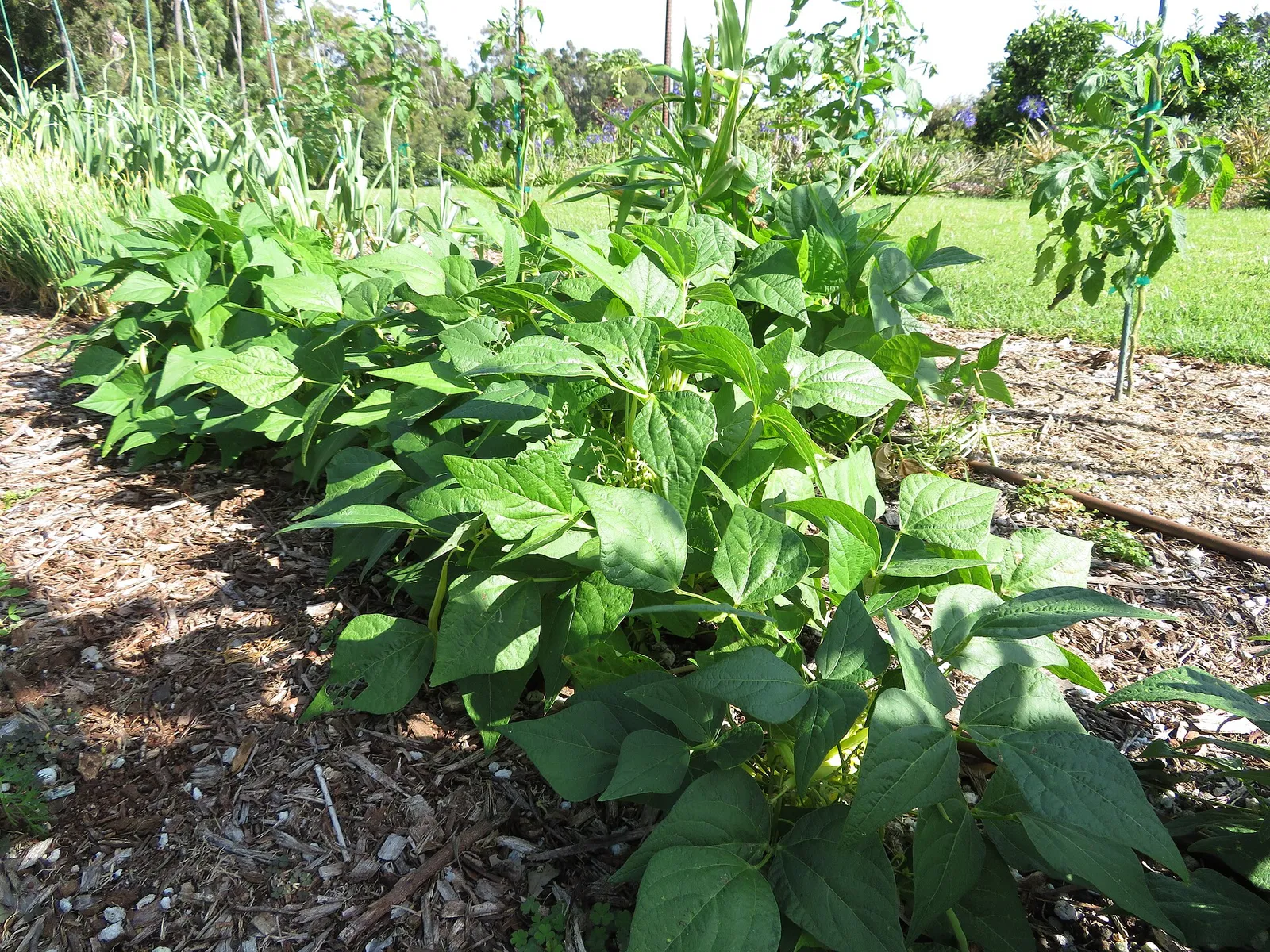
Days to maturity
50–60days
Ready when
Firm pods, snap cleanly, before seeds bulge
The short answer
Plant bush beans after your last spring frost, once the soil reaches 60°F at a 4-inch depth. Sow seed 1 inch deep, 2 to 4 inches apart, directly in the garden. Beans hate cold, so warm soil matters more than the calendar. For a fall crop, sow 6 to 8 weeks before the first fall frost.
Bush beans are a warm-season crop with a short clock. They go in after frost, sprout in about a week of warm soil, and give you snap beans in 50 to 60 days. The trick is not the date on the calendar. It is the temperature of the dirt. Plant too early into cold, wet ground and the seed rots before it ever breaks the surface.
This guide covers when to plant by climate and zone, the soil-temp cue that actually decides it, a planting-window table for spring and fall, and the common mistakes that cost a first sowing.
When to plant bush beans by climate and zone
The rule is the same everywhere: sow once all frost danger has passed and the soil has warmed. Clemson Extension times bush bean planting to after the last frost, with soil at 60°F or warmer measured at a 4-inch depth. That single cue beats any fixed date.
Colder zones warm up later, so they plant later. The windows below are starting points tied to your last spring frost, not deadlines. Watch your own frost date and soil thermometer.
| Region / zone | Typical spring window | Cue |
|---|---|---|
| Cold (zones 3–5) | Late May – June | 1–2 weeks after last frost, soil at 60°F |
| Temperate (zones 6–7) | Early – mid May | Right after last frost, soil at 60°F |
| Warm (zones 8–9) | March – April | Soil holds 60°F, well before summer heat |
Warm-zone gardeners get a second shot in late summer for a fall crop. Cold-zone gardeners usually get one good spring sowing plus a succession or two, which the fall section below covers.
The soil-temp cue: 60°F is the green light
Soil temperature is the whole decision. Bean seed needs a minimum of about 60°F to germinate well, and it sprouts fastest in the 70 to 85°F range, per Clemson and Oregon State extension data.
Below 60°F, the seed sits in cold ground and rots more often than it sprouts. University of Minnesota Extension is direct about it: beans planted in cold, wet soil germinate poorly and the seed is prone to rot.
So check the soil before you sow. Push a soil thermometer 2 to 4 inches down in the morning for a few days running. When it holds at 60°F or above, you have your green light.
Pro tip
Frost date and soil date are not the same day. Your last frost might pass while the ground is still 50°F from a cold week. Beans don't read the calendar, they read the dirt. Wait for the thermometer, and your germination rate jumps. A black landscape-fabric strip or a clear plastic cover laid over the row for a week warms the top few inches faster.
Spring planting window and how to sow
Bush beans are direct-sown, not transplanted. They resent root disturbance, so starting them indoors gains little and risks transplant shock. Once soil hits 60°F, sow straight into the garden.
Here is the planting recipe, verified against University of Illinois Extension:
- Sow 1 inch deep. Drop one seed per spot. Illinois Extension sets the standard depth at 1 inch.
- Space seeds 2 to 4 inches apart, in rows 18 to 24 inches apart. Crowded beans shade each other and invite disease.
- Water in once to settle the soil around the seed, then keep the bed evenly moist until sprouts appear in about a week.
For laying out a full row or a raised bed, the bush bean spacing guide walks the in-row and row numbers in detail.
Succession planting for a longer harvest
Bush beans produce a concentrated flush over a week or two, then taper off. One sowing means one short harvest. The fix is succession: plant a new short row every couple of weeks.
Iowa State Extension recommends sowing bush cultivars every 2 to 3 weeks for a continuous supply. Clemson tightens that to every 10 to 14 days. Either way, a fresh row every 2 to 3 weeks keeps snap beans coming all season instead of all at once.
Stop succession sowing about 6 to 8 weeks before your first fall frost, the cutoff for the last crop to mature.
Fall planting: count back from first frost
Warm and temperate zones can grow a second crop that finishes in fall. Sow it 6 to 8 weeks before your first fall frost date, so pods set and fill before the cold ends the season.
Clemson gives concrete fall windows for bush types: July 20 to August 1 in the Piedmont and August 1 to September 1 in the coastal area. These are regional benchmarks, so count back from your own first-frost date rather than copying a calendar from a different climate.
Common mistake
The first-sowing killer is planting into cold soil. Gardeners see the last frost pass and rush seed into 50°F ground, then watch half of it rot. Wait for 60°F. The other two misses: sowing too deep (1 inch is the target, deeper soil is colder and wetter) and transplanting beans started indoors, which checks their growth. Direct-sow into warm soil and the crop comes up fast and even.
Your next step
Bush beans come down to one number: 60°F soil, after your last frost. Sow seed 1 inch deep and 2 to 4 inches apart, skip the transplants, and start a fresh short row every 2 to 3 weeks for beans all season. For a fall crop, count back 6 to 8 weeks from your first frost.
Once your beans are in, the payoff is the pick. See when to harvest green beans for the firm-pod signs that tell you a bush bean is ready to snap.
Common questions
When should I plant bush beans after the last frost?
Wait until all danger of frost has passed and the soil has warmed to at least 60°F. Clemson Extension times bean planting to after the last frost with soil at 60°F or warmer at a 4-inch depth. In most US gardens that lands one to two weeks after your last spring frost date.
What soil temperature is best for bean seeds to germinate?
Bean seeds need a minimum soil temperature of about 60°F to germinate well, and they sprout fastest in the 70 to 85°F range. Below 60°F, seed sits in cold wet soil and is far more likely to rot than to come up, per University of Minnesota Extension. Check soil temp before sowing.
Can I start bush beans indoors and transplant them?
It is not recommended. Bush beans dislike root disturbance and are generally direct-sown, per University of Minnesota Extension. They germinate fast in warm soil, so starting indoors gains little and risks transplant shock. Sow seed straight into the garden once soil reaches 60°F.
How deep and how far apart do I plant bush bean seeds?
Sow seed 1 inch deep, 2 to 4 inches apart, in rows 18 to 24 inches apart, per University of Illinois Extension. Thin or space so each plant has room. Use the [bush bean spacing guide](/guides/how-far-apart-to-plant-bush-beans) to lay out a row or raised bed.
How late can I plant bush beans in the fall?
For a fall crop, sow bush beans about 6 to 8 weeks before your first fall frost so pods set before cold weather. Clemson Extension lists fall bush bean windows of July 20 to August 1 in the Piedmont and August 1 to September 1 in the coastal area. Count back from your own frost date.
Sources
Agronomic claims in this guide are checked against these primary sources.
- Bush & Pole-Type Snap Beans — Clemson Cooperative Extension (HGIC)
- Watch Your Garden Grow: Beans — University of Illinois Extension
- Growing beans in home gardens — University of Minnesota Extension
- Yard and Garden - Growing Beans in the Home Garden — Iowa State University Extension
Keep reading
When to Harvest Green Beans (Signs They're Ready)
Green beans are ready about 50 to 60 days (bush) or 60 to 70 days (pole), picked young when the pods are firm, smooth, pencil-thick, and 4 to 6 inches long, before the seeds bulge. Pick every 1 to 3 days to keep them coming.
Read →When to Plant Peppers (Frost Timing by Zone)
Start pepper seeds indoors 8 to 10 weeks before your last spring frost, then set transplants out 1 to 2 weeks after the frost passes, once soil hits 60 to 65 F and nights stay above 50 to 55 F.
Read →When to Plant Tomatoes (Frost + Soil Temp by Zone)
Set tomato transplants out 1 to 2 weeks after your last spring frost, once soil hits at least 60 F. Start seeds indoors 6 to 8 weeks before that frost date. Cold soil stalls them, so wait for warmth.
Read →When to Plant Zucchini (Frost + Soil Temp Timing)
Plant zucchini after your last spring frost, once the soil hits at least 60 F (ideally 65 to 70 F). Direct-sow seeds 1/2 to 1 inch deep, or set out transplants started 2 to 4 weeks earlier. Warm zones get a second fall crop.
Read →When to Plant Swiss Chard (Spring and Fall Timing)
Plant swiss chard 2 to 4 weeks before your last spring frost, once the soil hits 40°F. Sow again 3 to 4 weeks before the first fall frost. Seeds go half an inch to an inch deep.
Read →When to Plant Sweet Potatoes (Soil Temp + Frost Timing)
Plant sweet potato slips 2 to 4 weeks after your last spring frost, once soil holds above 65°F. Get timing by zone, the soil-temp gate, and the mistake that rots slips in cold ground.
Read →