Harvest guide
When to Plant Lettuce (Spring and Fall Timing by Zone)
Plant lettuce 2 to 4 weeks before your last spring frost, once the soil hits 40°F. It germinates best at 60 to 70°F and bolts in summer heat, so sow again 6 to 8 weeks before the first fall frost.
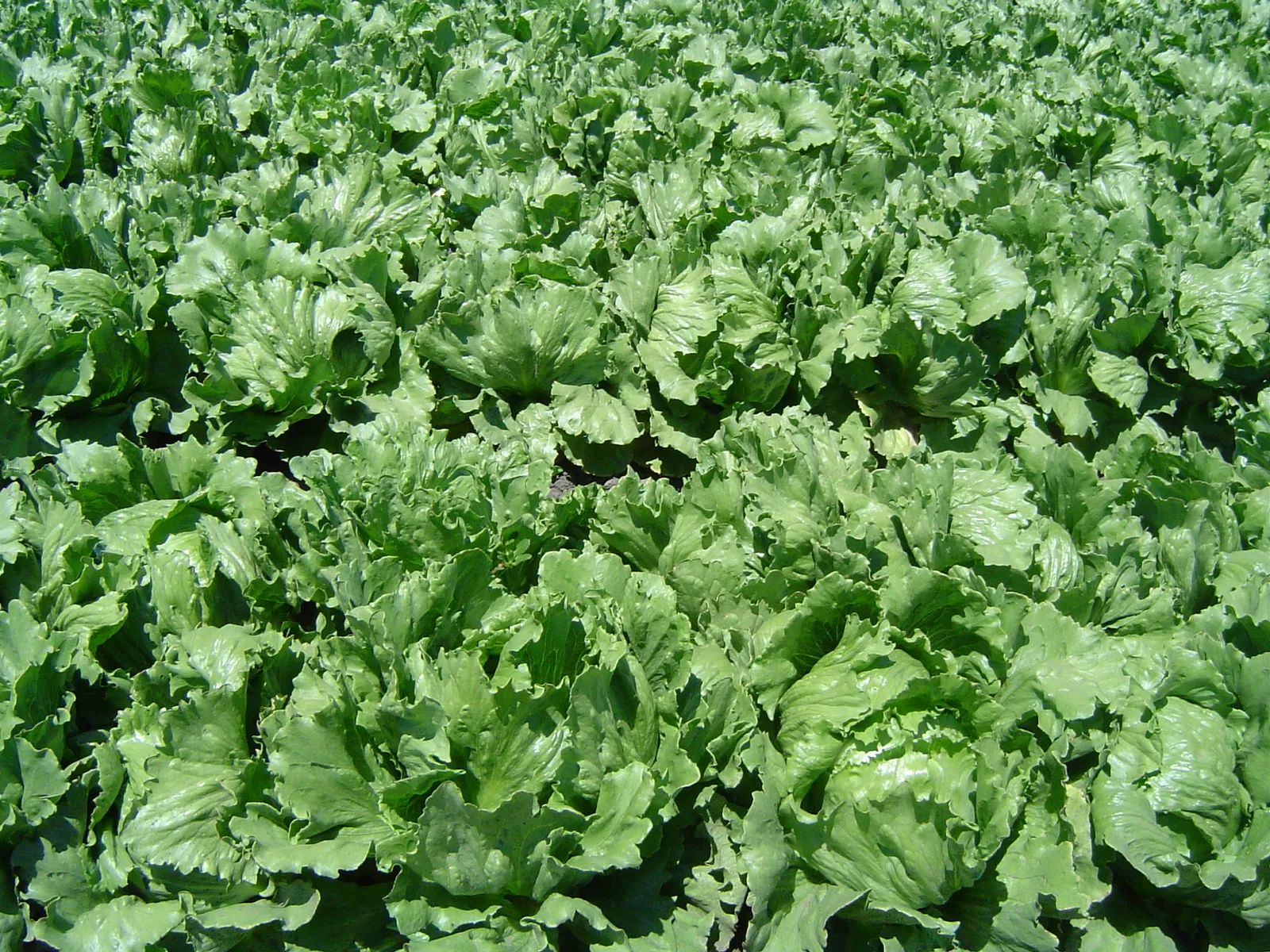
Days to maturity
30–60days
Ready when
Full leaves; harvest before bolting
The short answer
Plant lettuce 2 to 4 weeks before your last spring frost, as soon as the soil can be worked and reaches at least 40°F. The seed germinates best at 60 to 70°F and the plant bolts in summer heat, so sow a fall crop 6 to 8 weeks before the first fall frost for a second harvest.
Lettuce is a cool-season crop, which means timing is everything. It likes the cool, damp shoulders of the year and turns bitter in summer heat. Get it in early in spring and again in late summer, and you can pick salad for months. This guide covers when to plant by season and zone, the soil temperature to wait for, and how to keep a steady supply coming.
When to plant lettuce in spring
Sow your first spring lettuce 2 to 4 weeks before the last frost, or as soon as the soil can be worked. Lettuce takes cool weather and a light frost in stride, so it does not wait for warm days the way a tomato does.
University of Maryland Extension calls lettuce a semi-hardy annual that withstands light frosts but needs protection from a hard freeze. Well-hardened young plants handle a brief dip into the upper 20s°F. That cold tolerance is what lets it go out before the frost-free date.
The one hard floor is soil temperature. Lettuce seed will sprout in soil as cool as 40°F, so wait until the ground has thawed and drained before sowing.
Pro tip
Start seed indoors 4 to 6 weeks before your transplant date to get a jump on the season. Lettuce germinates poorly in cold, wet spring soil, and starting it warm and moving out hardened seedlings sidesteps that. It also lets you space plants exactly instead of thinning a crowded row later.
When to plant lettuce in fall
For a fall crop, sow 6 to 8 weeks before your first fall frost, so plants size up while the weather cools instead of heating up. Fall lettuce is often the sweetest of the year because it matures into cool nights.
The tricky part is the start. Late-summer soil can sit above 85°F, and that heat blocks germination. Sow in the shade of taller crops, water to cool the soil, or start seed indoors and transplant out once the worst heat breaks.
In mild southern zones the season flips. Clemson Cooperative Extension and warm-climate guides treat fall through early spring as the main lettuce window, skipping summer entirely.
Lettuce planting windows at a glance
The table below ties the timing to the two anchors that actually matter: your frost dates and the soil temperature. Treat the windows as starting points and watch your own ground, not the calendar.
| Season / climate | When to sow | Target soil temp | Method |
|---|---|---|---|
| Spring (most US zones) | 2–4 weeks before last frost | 40°F minimum, 60–70°F ideal | Direct seed or transplant |
| Fall (most US zones) | 6–8 weeks before first frost | Below 75°F | Transplant or shaded sowing |
| Cool northern zones | As soon as soil works in spring | 40°F and rising | Transplant for a head start |
| Mild southern zones | Fall through early spring | 60–70°F | Direct seed |
Michigan State University Extension sets the practical floor for direct-seeding cool crops like lettuce at a soil temperature of at least 40°F, with the best germination in the 60 to 70°F band.
How to tell it is time to plant
Watch the soil, not the date. Two simple checks tell you the ground is ready.
- The soil is workable. Squeeze a handful. If it crumbles, it is ready. If it stays in a wet ball, wait a few more days.
- The soil has warmed to 40°F. A cheap soil thermometer pushed 2 inches down settles this. Below 40°F the seed just sits and may rot.
The upper limit matters as much as the lower one. Above about 75°F germination falls off, and near 85°F the seed can go dormant and refuse to sprout, a problem extension guides call thermal dormancy. That heat block is the real reason midsummer sowings fail.
When you do sow, plant shallow. Wisconsin Extension puts lettuce seed about 1/4 inch deep, and it needs light and moisture to germinate, so do not bury it.
Keep it coming: succession sowing
One planting gives you one flush of lettuce that all matures at once. To eat salad for months instead of weeks, sow a short row every 2 to 3 weeks. Wisconsin Extension recommends planting successive crops every couple of weeks through the cool seasons.
How long until you can pick depends on the type. Leaf lettuce is the quick one, romaine takes a while longer, and crisphead heads up slowest of all.
| Lettuce type | Days to maturity |
|---|---|
| Leaf (looseleaf) | 30–45 days |
| Butterhead | 50–60 days |
| Romaine (cos) | 60–70 days |
| Crisphead (iceberg) | 70–85 days |
University of Maryland Extension gives an overall range of roughly 40 to 80 days to maturity, with leaf types fastest and crisphead slowest. Leaf lettuce also lets you pick outer leaves early as baby greens while the plant keeps growing, so the first salad comes well before the full days-to-maturity number. For the full picture on cutting, see when to harvest lettuce.
Common mistakes when planting lettuce
The two failures that cost a lettuce crop both come down to temperature, at opposite ends.
Common mistake
Sowing into cold, soggy spring soil. Lettuce seed needs the ground at 40°F or warmer to sprout, and below that it sits and rots in wet soil. Wait until the bed drains and warms, or start seed indoors and move out hardened transplants. Rushing the first sowing by two weeks usually loses you the row.
The other mistake is planting too late into heat. Sow a spring crop after the weather has turned warm and it bolts before it sizes up, shooting a bitter flower stalk in the 70s to 80s°F. Lettuce is a race against summer. Plant early, harvest before the heat, then start again in fall.
Lettuce shares the cool-season rhythm of other quick greens. The same early-spring, sow-again-in-fall timing drives when to harvest spinach, and the fall-planted when to plant garlic keeps a bed working into the off-season.
Your next step
Plant lettuce early. Sow 2 to 4 weeks before your last spring frost once the soil hits 40°F, keep it under 70°F to germinate, and start a new short row every 2 to 3 weeks so the harvest never gaps. When summer heat arrives, stop and wait, then sow again 6 to 8 weeks before the first fall frost.
Ready to lay out the row? See how far apart to plant lettuce to space seedlings so every head sizes up.
Common questions
What month is best to plant lettuce?
It depends on your last frost, not the calendar. Most US gardeners sow the first spring crop in March or April, 2 to 4 weeks before the last frost. Warm southern zones plant in fall and winter instead. For a fall crop anywhere, sow in late summer, 6 to 8 weeks before the first fall frost.
How cold can lettuce tolerate?
Lettuce is a cool-season crop that takes light frost. University of Maryland Extension calls it semi-hardy, able to withstand light frosts but needing protection from a hard freeze. Well-hardened young plants shrug off a brief dip to around the upper 20s°F, which is why it can go out before the last frost.
What soil temperature does lettuce need to germinate?
Lettuce seed sprouts in soil as cool as 40°F but germinates best at 60 to 70°F. Above about 75°F germination drops off, and near 85°F the seed can go dormant and fail to sprout, a problem called thermal dormancy. That heat block is why midsummer sowings struggle.
How long does lettuce take to grow?
Leaf lettuce is the fastest, ready to cut in about 30 to 45 days. Romaine runs around 60 to 70 days, and crisphead (iceberg) is the slowest at 70 to 85 days. You can pick leaf types even earlier as baby greens, snipping the outer leaves while the plant keeps growing.
Can I plant lettuce in summer?
It is the hardest season for lettuce. Summer heat triggers bolting, where the plant shoots up a flower stalk and the leaves turn bitter, and it can block germination above 85°F soil. If you sow in summer, pick heat-tolerant varieties, give afternoon shade, and start seed somewhere cooler.
Sources
Agronomic claims in this guide are checked against these primary sources.
- Growing Lettuce in a Home Garden — University of Maryland Extension
- Grow Your Own Salad Greens — University of Wisconsin-Madison Extension
- How to Grow Lettuce — Michigan State University Extension
- Lettuce — Clemson Cooperative Extension
Keep reading
When to Harvest Lettuce (Leaf + Head Types)
Lettuce is ready about 30 to 60 days after sowing. Pick the outer leaves of leaf types as soon as they are 3 to 4 inches, and cut head types when they are full and firm. Here are the cues, the cut-and-come-again trick, and how to beat the bolt.
Read →When to Harvest Spinach (Signs It's Ready)
Spinach is ready about 37 to 50 days after sowing, once a plant has five or six leaves that are 3 to 6 inches long. Pick the outer leaves or cut the whole plant above the crown, and harvest before it bolts in heat.
Read →When to Plant Garlic (Fall Timing by Zone)
Plant garlic in fall, about 3 to 6 weeks before the ground freezes, so roots set before winter. That lands mid-September to November across most US zones. Plant cloves 2 inches deep, pointy end up, 4 to 6 inches apart.
Read →When to Plant Zucchini (Frost + Soil Temp Timing)
Plant zucchini after your last spring frost, once the soil hits at least 60 F (ideally 65 to 70 F). Direct-sow seeds 1/2 to 1 inch deep, or set out transplants started 2 to 4 weeks earlier. Warm zones get a second fall crop.
Read →When to Plant Tomatoes (Frost + Soil Temp by Zone)
Set tomato transplants out 1 to 2 weeks after your last spring frost, once soil hits at least 60 F. Start seeds indoors 6 to 8 weeks before that frost date. Cold soil stalls them, so wait for warmth.
Read →When to Plant Swiss Chard (Spring and Fall Timing)
Plant swiss chard 2 to 4 weeks before your last spring frost, once the soil hits 40°F. Sow again 3 to 4 weeks before the first fall frost. Seeds go half an inch to an inch deep.
Read →