Harvest guide
When to Plant Spinach (Spring and Fall Timing)
Plant spinach 4 to 8 weeks before the last spring frost, as soon as the soil hits 40°F. Sow a fall crop 6 to 8 weeks before the first fall frost. Seeds go in 1/2 inch deep, direct-sown.
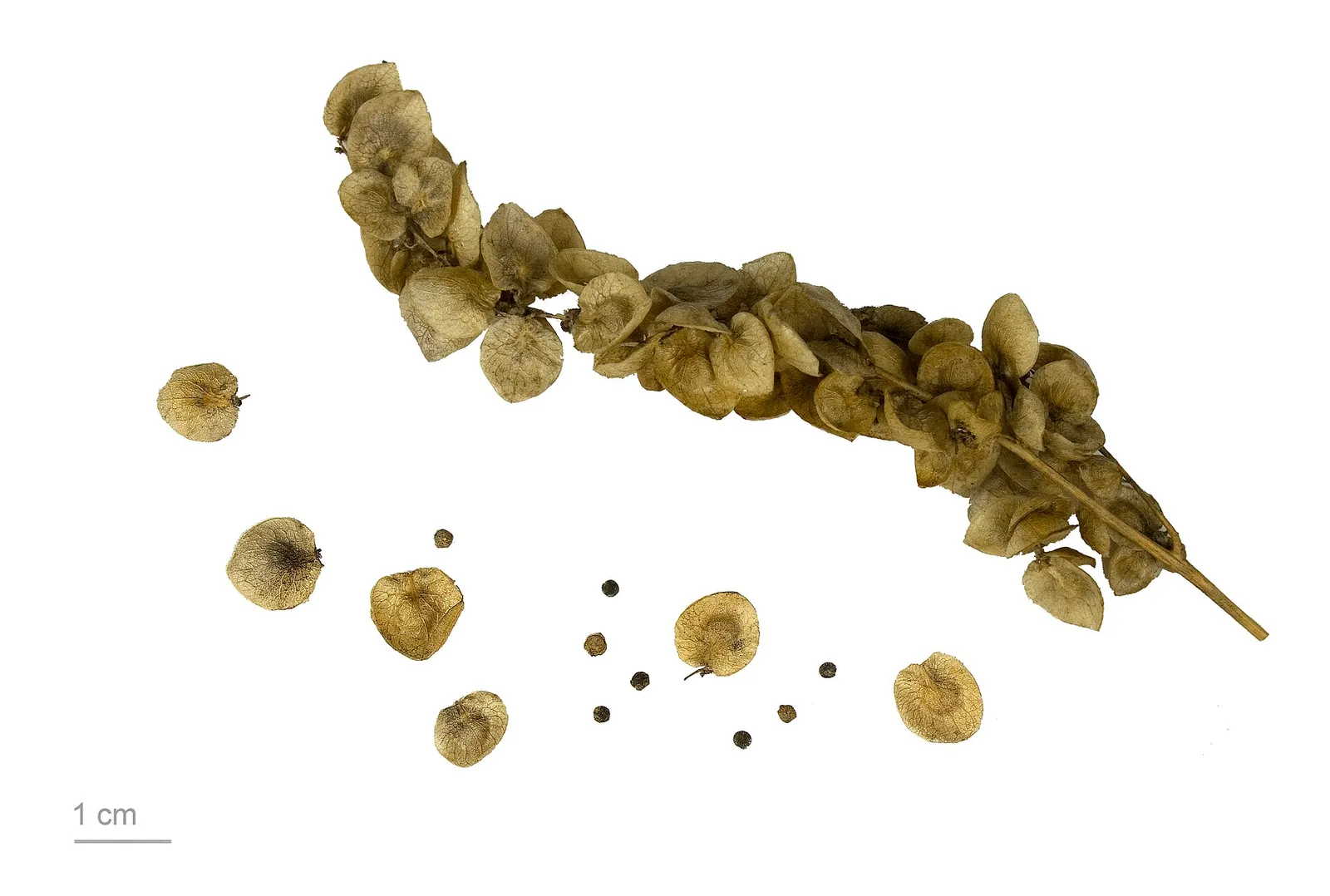
Days to maturity
37–50days
Ready when
Full leaves; harvest before bolting in heat
The short answer
Plant spinach 4 to 8 weeks before your last spring frost, as soon as the soil can be worked and reaches about 40°F. For a second crop, sow again 6 to 8 weeks before your first fall frost. Seeds go in 1/2 inch deep, direct-sown. Spinach grows best in cool weather and bolts in heat.
Spinach has two seasons, not one. It is a cool-weather crop that races in spring before the heat, then again in fall as things cool down. The trick is timing each sowing against your frost dates, because spinach planted too late in spring bolts before you get a real harvest.
This guide covers when to plant by season and zone, the soil temperature to wait for, and the one mistake that turns a spring crop into a flower stalk.
When to plant spinach by season
Spinach goes in around your frost dates, not on a fixed calendar date. The target shifts with your zone, so use your own first and last frost dates as the anchor.
Penn State Extension gives two windows. Sow the spring crop 4 to 8 weeks before the average last spring frost. Sow the fall crop 6 to 8 weeks before the average first fall frost.
Colder zones have a shorter spring window before heat arrives, so they lean harder on fall. Mild zones can sometimes grow spinach straight through winter.
| Season | When to sow | Why this timing |
|---|---|---|
| Spring | 4–8 weeks before last frost | Spinach tolerates frost, so early sowing beats the summer heat |
| Fall | 6–8 weeks before first frost | Plants size up as days cool and shorten |
| Winter (zones 7+) | Fall sowing, harvest through winter | Mild winters keep growth going |
| Overwinter (zones 6 and below) | Fall sowing under cover | Plants hold over for an early spring cut |
Spring is the window most gardeners blow, because they wait until the soil feels warm. By then it is often too late.
Wait for 40°F soil, not warm air
The cue to sow spinach is soil temperature, and it is lower than you would guess. Cornell University lists spinach germinating in soil from 40°F up to about 75°F.
That 40°F floor is the gift. It means you can sow spinach weeks before tomatoes or beans, often as soon as the ground thaws and dries enough to rake.
Penn State Extension adds the sweet spot: seeds sprout best between 45°F and 68°F, and plants grow best at 50°F to 60°F. So cold soil is your friend here. Warm soil, above about 75°F, is what stops spinach seed from coming up at all.
Pro tip
Push a soil thermometer 2 to 3 inches down in the morning for a few days. Once it reads a steady 40°F or higher, you are clear to sow. No thermometer? In most US zones the soil hits 40°F two to four weeks before the last frost, which lines up with the early end of the spring window.
How to sow spinach
Spinach is direct-sown, meaning you plant the seed right where it grows. It has a sensitive taproot and does not love being transplanted, so skip the seed trays.
Here is the order of work:
- Sow seeds 1/2 inch deep. Penn State Extension and UMN Extension both put spinach seed at about a half inch down. Deeper and it struggles to surface in cold soil.
- Space seeds 2 to 3 inches apart in the row. Thin later to a full 4 to 6 inches once the seedlings are up.
- Keep the soil moist until they sprout. Spinach germinates slowly in cold ground, sometimes two weeks, so do not let the top crust dry out.
- Sow a fresh short row every 2 to 3 weeks. Because spinach matures fast and bolts fast, succession sowing keeps fresh leaves coming instead of one big flush that bolts at once.
For exact in-row spacing and how many plants fit your bed, the how far apart to plant spinach guide lays out the numbers.
Spring vs fall: which is easier
Fall is the lower-stress crop. A fall sowing grows into cooling, shortening days, which is exactly what spinach wants, so it rarely bolts before you harvest.
Spring is the gamble. You are racing the seedlings to a usable size before the days lengthen and the heat arrives. Sow at the early end of the window and you usually win. Sow late and you lose.
In mild zones (7 and warmer), a fall sowing can carry through winter for a steady cut-and-come-again harvest. In zones 6 and colder, Penn State Extension notes spinach can overwinter under a row cover or cold frame and bounce back for one of the earliest harvests of spring.
Common mistake
The classic spring mistake is sowing too late and watching it bolt. Spinach runs to seed when days lengthen and temperatures climb toward 70°F, per Penn State Extension, and dry soil speeds it up. Once it sends up a flower stalk, the leaves turn bitter and the harvest is over. Sow at the early end of the spring window, into cool 40°F to 60°F soil, and keep it watered. If your spring is short, skip it and put your effort into the fall crop instead.
How fast spinach grows
Spinach is one of the quickest crops in the garden, which is what makes the timing forgiving once you nail the start. Baby leaves are ready in about 37 to 45 days from seeding, and full-size leaves in roughly 45 to 50 days, depending on variety and weather.
That short turnaround is why succession sowing works. A new short row every couple of weeks gives you a steady supply instead of one big harvest that all bolts together when the heat hits.
The signs it is ready and how to cut it are covered in when to harvest spinach. Spinach also shares its cool-season rhythm with lettuce, so if you grow both, when to plant lettuce follows the same frost-anchored timing.
Your next step
Plant spinach against your frost dates, not the calendar. Sow the spring crop 4 to 8 weeks before the last frost once the soil hits 40°F, and sow a fall crop 6 to 8 weeks before the first fall frost. Seeds go a half inch deep, direct in the ground, with a fresh short row every 2 to 3 weeks.
Getting the spacing right keeps every plant sizing up. Open the how far apart to plant spinach guide and set your rows before you sow.
Common questions
When should I plant spinach?
Plant spinach 4 to 8 weeks before your last spring frost, as soon as the soil can be worked and reaches about 40°F. Penn State Extension gives that spring window. For a second crop, sow again 6 to 8 weeks before your first fall frost. Spinach is a cool-season crop, so spring and fall are its two seasons.
What temperature does spinach need to germinate?
Spinach germinates in soil as cold as 40°F, per Cornell Extension, which lets you sow it earlier than most crops. Penn State Extension says seeds sprout best between 45°F and 68°F, and plants grow best at 50°F to 60°F. Cold soil is fine. Hot soil above about 75°F is what stops germination.
Can I plant spinach in October?
In mild zones (7 and warmer), yes. October sowing can give a fall or winter crop, and in zones 6 and below spinach can overwinter under row cover or a cold frame for an early spring harvest, per Penn State Extension. In colder zones, October is usually too late for a full fall crop without protection.
Why does my spinach bolt so fast?
Spinach bolts (sends up a flower stalk and turns bitter) when days get longer and temperatures climb toward 70°F, per Penn State Extension. Long days plus heat trigger it, and dry soil speeds it up. That is why spring spinach planted late runs to seed quickly. A fall crop dodges the trigger.
How long does spinach take to grow?
Spinach is fast. Baby leaves are ready in about 37 to 45 days from seeding, and full-size leaves in roughly 45 to 50 days, depending on variety and weather. Cool weather slows it a little but improves the flavor. That short window is why succession sowing every 2 to 3 weeks works so well.
Sources
Agronomic claims in this guide are checked against these primary sources.
- Growing Spinach, A Cool-Season Vegetable — Penn State Extension
- Growing spinach and Swiss chard in home gardens — University of Minnesota Extension
- Growing Guide: Spinach — Cornell University Home Gardening
Keep reading
When to Harvest Spinach (Signs It's Ready)
Spinach is ready about 37 to 50 days after sowing, once a plant has five or six leaves that are 3 to 6 inches long. Pick the outer leaves or cut the whole plant above the crown, and harvest before it bolts in heat.
Read →When to Plant Lettuce (Spring and Fall Timing by Zone)
Plant lettuce 2 to 4 weeks before your last spring frost, once the soil hits 40°F. It germinates best at 60 to 70°F and bolts in summer heat, so sow again 6 to 8 weeks before the first fall frost.
Read →When to Plant Zucchini (Frost + Soil Temp Timing)
Plant zucchini after your last spring frost, once the soil hits at least 60 F (ideally 65 to 70 F). Direct-sow seeds 1/2 to 1 inch deep, or set out transplants started 2 to 4 weeks earlier. Warm zones get a second fall crop.
Read →When to Plant Tomatoes (Frost + Soil Temp by Zone)
Set tomato transplants out 1 to 2 weeks after your last spring frost, once soil hits at least 60 F. Start seeds indoors 6 to 8 weeks before that frost date. Cold soil stalls them, so wait for warmth.
Read →When to Plant Swiss Chard (Spring and Fall Timing)
Plant swiss chard 2 to 4 weeks before your last spring frost, once the soil hits 40°F. Sow again 3 to 4 weeks before the first fall frost. Seeds go half an inch to an inch deep.
Read →When to Plant Sweet Potatoes (Soil Temp + Frost Timing)
Plant sweet potato slips 2 to 4 weeks after your last spring frost, once soil holds above 65°F. Get timing by zone, the soil-temp gate, and the mistake that rots slips in cold ground.
Read →